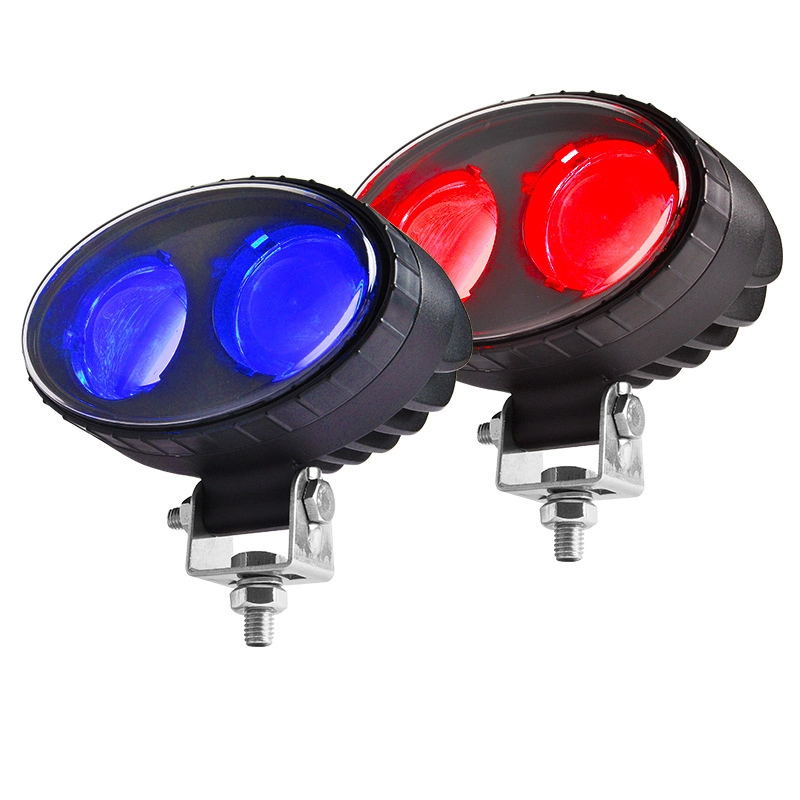
The modern industrial landscape is increasingly focused on safety and compliance, especially in environments where heavy machinery like forklifts are in operation. Forklift safety lights have emerged as a critical component in ensuring workplace safety, reducing accidents, and meeting regulatory standards. The Occupational Safety and Health Administration (OSHA) has established specific requirements concerning the use of lighting on forklifts to enhance visibility and safety. Understanding these OSHA Requirements For Forklift Safety Lights is essential for employers aiming to maintain a safe working environment and avoid legal repercussions.
This article delves into the regulatory framework governing forklift safety lights, examines the compliance requirements, and explores the technological advancements in LED forklift safety lights. By analyzing data, case studies, and expert opinions, we aim to provide a comprehensive understanding of how compliance not only fulfills legal obligations but also contributes to operational efficiency and worker well-being.
Regulatory Framework for Forklift Safety Lights
OSHA Guidelines and Standards
The Occupational Safety and Health Administration sets forth guidelines to ensure the safety of workers operating and working around forklifts. These guidelines are encapsulated in OSHA standard 29 CFR 1910.178, which outlines the safety requirements for powered industrial trucks. While the standard does not explicitly mandate the use of safety lights, it emphasizes the employer's responsibility to provide a workplace free from recognized hazards that are causing or are likely to cause death or serious physical harm.
In line with this, many employers interpret the standard to include the implementation of Forklift Safety Lights as a proactive measure to mitigate risks associated with forklift operation. The use of safety lights enhances the visibility of moving forklifts, thereby reducing the likelihood of collisions and accidents in the workplace.
ANSI/ITSDF B56.1 Safety Standard
The American National Standards Institute (ANSI) in conjunction with the Industrial Truck Standards Development Foundation (ITSDF) provides additional guidelines in the ANSI/ITSDF B56.1 standard. This standard specifies that forklifts should be equipped with a warning device, such as a horn, whistle, or other sound-producing device, and if the operating environment requires, flashing lights or other visual devices.
The standard recognizes that in certain environments, auditory warnings may not be sufficient due to noise levels or hearing protection devices worn by workers. In such cases, visual warnings like safety lights become essential. Compliance with ANSI/ITSDF B56.1 reinforces the importance of assessing the specific needs of the workplace and implementing appropriate safety measures accordingly.
European Union Regulations
In the European Union, the Machinery Directive 2006/42/EC sets the framework for the safe design and construction of machinery, including forklifts. The directive requires that machinery must be designed to prevent risks due to inadequate visibility. Manufacturers are obligated to incorporate appropriate lighting systems to ensure operators have sufficient visibility during operation.
Additionally, the directive emphasizes the importance of risk assessment and the implementation of safety measures that correspond to identified risks. This approach necessitates the use of safety lights where visibility issues could lead to hazardous situations, aligning with global trends towards increased safety measures in industrial settings.
Importance of Compliance with Lighting Requirements
Reduction of Workplace Accidents
Compliance with lighting requirements has a direct impact on reducing workplace accidents. Forklifts are involved in a significant number of serious injuries and fatalities each year. According to the National Institute for Occupational Safety and Health (NIOSH), there are approximately 85 forklift-related fatalities and 34,900 serious injuries annually in the United States. Improved visibility through the use of safety lights can significantly decrease these numbers.
Safety lights alert pedestrians and other vehicle operators to the presence and movement of forklifts. In environments with blind spots, intersections, and high levels of ambient noise, visual warnings become crucial. The implementation of led forklift safety lights enhances the operator's ability to signal their presence, thereby reducing the risk of collisions.
Legal and Financial Implications
Non-compliance with OSHA forklift lighting requirements can lead to severe legal and financial consequences. Employers may face substantial fines, increased insurance premiums, and potential litigation costs stemming from accidents. Moreover, workplace injuries impact productivity due to downtime, loss of skilled workers, and the costs associated with training replacements.
Investing in compliant safety measures is not only a legal obligation but also a financially prudent strategy. It demonstrates a commitment to worker safety, which can enhance company reputation, employee morale, and overall operational efficiency.
Enhancement of Operational Efficiency
Operational efficiency is enhanced when safety measures are integrated into workplace practices. Safety lights contribute to smoother workflow by reducing interruptions caused by accidents or near misses. Employees feel safer, which can lead to increased job satisfaction and productivity.
Furthermore, compliant lighting solutions can extend the operational hours in low-light conditions, allowing for greater flexibility in scheduling and utilization of resources. This adaptability is especially beneficial in industries with demanding production schedules or round-the-clock operations.
Technological Advancements in Forklift Safety Lights
Evolution of LED Technology
Light Emitting Diode (LED) technology has revolutionized forklift safety lights by offering superior brightness, energy efficiency, and longevity compared to traditional lighting solutions. The shift towards LED forklift safety lights has been driven by their ability to produce intense illumination while consuming less power.
LED lights produce a focused beam that can be tailored to specific safety applications. For instance, blue or red spotlights can project warning symbols or designated zones on the floor ahead of or behind the forklift, alerting pedestrians to the approaching equipment. This technological evolution enhances the effectiveness of safety warnings and aligns with the requirements of modern industrial environments.
Integration with Smart Systems
The integration of forklift safety lights with smart systems represents a significant advancement in industrial safety. Modern forklifts can be equipped with sensors and connected to the Internet of Things (IoT), allowing for real-time monitoring and control of safety lighting based on environmental conditions.
These systems can adapt lighting intensity, flash patterns, or colors in response to specific triggers, such as proximity to pedestrians or entry into high-risk zones. The adaptability enhances safety measures and can be customized to meet the specific needs of different operational settings, further supporting compliance with OSHA requirements.
Durability and Maintenance Considerations
Advancements in materials and design have led to the development of safety lights that are more durable and require less maintenance. LED safety lights are less prone to failure caused by vibration, temperature fluctuations, and exposure to harsh industrial conditions.
Reduced maintenance translates to lower operational costs and less downtime. It ensures that safety measures remain consistently effective, which is critical for compliance and the ongoing protection of workers.
Implementing Compliance Strategies
Conducting Risk Assessments
Implementing compliance strategies begins with a thorough risk assessment. Employers must evaluate the workplace to identify potential hazards associated with forklift operations. This includes assessing visibility issues, traffic patterns, pedestrian interaction, and environmental factors that may influence safety.
Risk assessments inform the selection of appropriate safety lights and other control measures. By understanding the specific needs of the workplace, employers can tailor their compliance efforts to address the most critical safety concerns effectively.
Training and Awareness Programs
Compliance is not solely about equipment; it also involves educating operators and workers about safety protocols. Comprehensive training programs should include instructions on the proper use of forklifts, understanding of safety lights, and awareness of potential hazards.
Regular training helps reinforce safe practices and ensures that all personnel are aware of their roles in maintaining a safe working environment. It also fosters a culture of safety where workers are encouraged to report hazards and contribute to ongoing safety improvements.
Selection and Installation of Appropriate Equipment
Selecting the right safety lights involves considering factors such as light intensity, color, beam pattern, and compatibility with existing equipment. Consultation with experts or suppliers specializing in industrial lighting can aid in choosing solutions that meet both regulatory requirements and operational needs.
Proper installation is equally important. Safety lights must be installed according to manufacturer specifications to ensure optimal performance. Regular inspections and maintenance schedules should be established to keep the equipment functioning correctly.
Case Studies and Industry Examples
Manufacturing Industry Implementation
A leading automotive parts manufacturer implemented LED forklift safety lights across its facilities after conducting a risk assessment that identified forklift-pedestrian collisions as a significant hazard. The company installed blue spotlight warnings that projected ahead of moving forklifts, providing visual cues to pedestrians.
Within a year, the manufacturer reported a 40% reduction in near-miss incidents involving forklifts. The investment in safety lighting not only improved compliance with OSHA forklift lighting requirements but also enhanced overall operational efficiency by reducing downtime associated with accidents.
Warehouse Logistics Enhancement
A global logistics company facing challenges with visibility in its high-traffic warehouses adopted advanced LED safety lights integrated with smart sensors. The system adjusted the intensity of the lights based on the proximity of pedestrians and other vehicles.
The adaptive lighting system led to a significant reduction in accidents and enhanced compliance with safety regulations. The company's commitment to leveraging technology for safety was recognized by industry bodies, strengthening its reputation as a leader in workplace safety.
Expert Opinions and Recommendations
Insights from Safety Professionals
Safety professionals emphasize the importance of a holistic approach to compliance. According to Laura Peterson, a certified industrial safety consultant, "Implementing safety lights is a crucial step, but it must be part of a broader safety program that includes training, regular assessments, and employee engagement."
Experts advocate for continuous improvement and staying abreast of technological advancements. They encourage employers to explore innovative solutions like connected safety systems that provide data-driven insights to further enhance safety measures.
Regulatory Agency Perspectives
Regulatory agencies like OSHA stress the importance of employers taking proactive measures to identify and mitigate hazards. Compliance assistance specialist John Roberts states, "Employers are encouraged to exceed the minimum requirements when it comes to safety. Implementing advanced safety lights is a positive step towards creating a safer workplace."
Agencies provide resources and guidance to help employers understand their obligations and the best practices for maintaining compliance. Engagement with regulatory bodies can aid in aligning safety initiatives with legal requirements.
Future Trends in Forklift Safety Lighting
Emerging Technologies
The future of forklift safety lighting is likely to be shaped by emerging technologies such as augmented reality (AR) and machine learning. AR systems could provide operators with enhanced navigation aids, while machine learning algorithms analyze patterns to predict and prevent potential accidents.
These technologies have the potential to revolutionize safety protocols by providing dynamic and intelligent responses to changing conditions within the workplace. As these technologies become more accessible, they may form an integral part of compliance strategies.
Sustainability Considerations
Sustainability is becoming an essential aspect of industrial operations. Energy-efficient LED forklift safety lights contribute to environmental goals by reducing energy consumption. Future developments may include solar-powered lighting systems and materials designed for recyclability.
Employers integrating sustainability into their compliance strategies can achieve multiple objectives: enhancing safety, reducing operational costs, and demonstrating corporate social responsibility.
Forklift safety lights are a vital component in meeting regulatory compliance and ensuring the safety of workers in industrial environments. Understanding and adhering to OSHA forklift lighting requirements is essential for employers aiming to create a safe and efficient workplace. The advancements in LED technology and the integration of smart systems offer powerful tools for enhancing visibility and reducing accidents.
By conducting thorough risk assessments, implementing appropriate equipment, and fostering a culture of safety through training and engagement, employers can effectively navigate the complex landscape of compliance. As technology continues to evolve, staying informed about emerging trends will be crucial in maintaining high safety standards.
In embracing these strategies, organizations not only comply with regulatory requirements but also invest in the well-being of their workforce, ultimately leading to improved productivity and success in their operations.
Frequently Asked Questions
1. What are the OSHA Requirements For Forklift Safety Lights?
OSHA does not explicitly mandate forklift safety lights but requires employers to provide a workplace free from recognized hazards. Implementing Forklift Safety Lights is considered a proactive measure to enhance visibility and reduce accident risks, aligning with OSHA's general safety requirements.
2. How do LED Forklift Safety Lights improve workplace safety?
LED forklift safety lights provide intense and focused illumination, alerting pedestrians and other operators to the presence and movement of forklifts. They enhance visibility in various conditions, reduce the likelihood of collisions, and are energy-efficient and durable, contributing to overall safety and operational efficiency.
3. Are there legal consequences for not using safety lights on forklifts?
Yes, failure to address recognized hazards like inadequate visibility can lead to OSHA citations, fines, and increased liability in the event of accidents. Implementing safety lights demonstrates compliance with safety regulations and a commitment to worker protection.
4. What factors should be considered when selecting Forklift Safety Lights?
Considerations include the intensity and color of the light, beam pattern, compatibility with existing equipment, environmental conditions, and specific workplace hazards. Consulting with experts can help in choosing lights that meet both compliance requirements and operational needs.
5. How do safety lights integrate with smart systems?
Safety lights can be integrated with IoT devices and sensors to provide adaptive lighting based on real-time conditions. For example, lights can adjust their intensity or flash patterns in response to proximity sensors, enhancing safety through intelligent responses to the environment.
6. What role does training play in compliance with safety light regulations?
Training is essential in ensuring that operators and workers understand how to use forklifts safely, including the function and importance of safety lights. It fosters a safety culture and ensures that equipment is used correctly, supporting compliance and reducing accidents.
7. Are there global standards for forklift safety lights beyond OSHA?
Yes, international standards like the European Union's Machinery Directive 2006/42/EC also address safety requirements related to machinery visibility. While specific regulations may vary by country, the emphasis on mitigating hazards through adequate lighting is a common theme in global standards.


