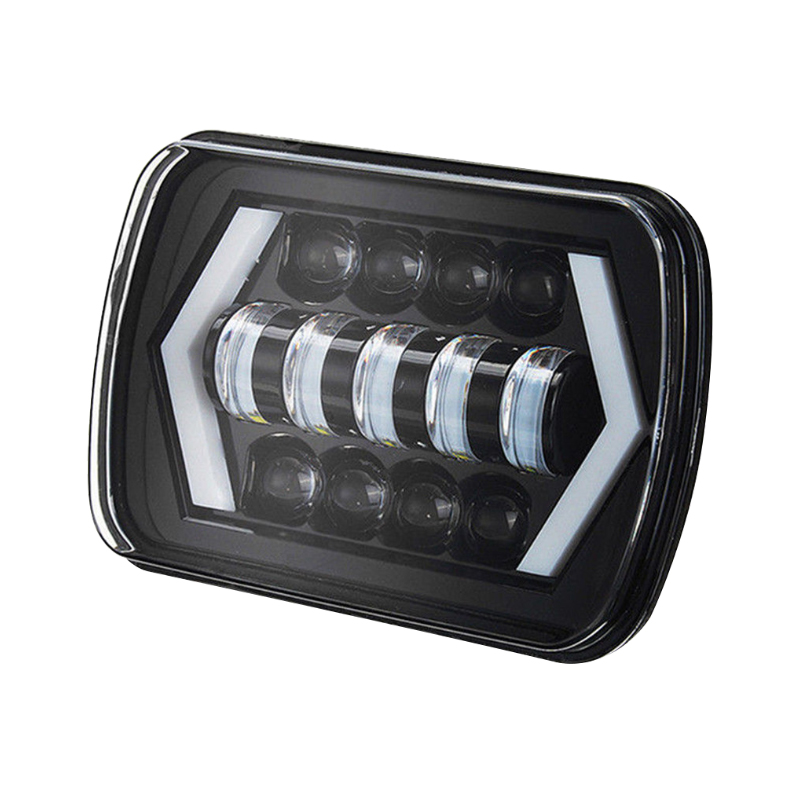
The advent of advanced lighting technologies has significantly enhanced industrial safety standards. In the realm of material handling, forklifts are indispensable. However, they also pose substantial risks if not managed properly. A pivotal development in forklift safety is the integration of red and blue lights. These forklift safety lights serve as visual warning systems, mitigating accidents in busy warehouse environments. This article delves into the technology behind these lights, their operational significance, and their impact on workplace safety.
The Evolution of Forklift Safety Measures
Historically, forklift safety relied heavily on operator skill and auditory signals like horns. With the industrial sector's expansion, the limitations of these measures became apparent. The introduction of visual warning systems marked a significant shift in safety protocols. Red and blue forklift safety lights emerged as a response to the need for more effective warning mechanisms in environments with high noise levels or limited visibility.
Limitations of Traditional Safety Methods
Auditory warnings often fall short in bustling industrial settings. Workers wear ear protection, and ambient noise can drown out horn blasts. Additionally, relying solely on operator vigilance is insufficient. Studies have shown that human error accounts for a significant percentage of workplace accidents involving forklifts.
The Advent of Visual Warning Systems
Visual systems like red and blue lights provide a constant and unmistakable warning of a forklift's presence. They project bright light patterns on the floor, alerting pedestrians to oncoming equipment. This innovation addresses the gaps left by auditory signals and enhances overall safety.
Technological Overview of Forklift Safety Lights
Forklift safety lights utilize advanced LED technology to emit intense beams of light. These lights are strategically mounted on the vehicle to project warning signals on the floor or surrounding areas.
Red Forklift Safety Lights
Red safety lights are typically installed on the sides of forklifts. They create a visible boundary known as the “red zone” around the vehicle. This zone serves as a caution area that pedestrians should avoid, reducing the risk of collision.
Blue Forklift Safety Lights
Blue safety lights are usually mounted at the front and rear of the forklift. They project a focused beam or spot on the floor several feet ahead, warning of the vehicle's approach. This is particularly useful at blind intersections or aisles.
Laser Technology in Forklift Lights
Forklift laser safety lights represent the latest in visual warning systems. They project clear lines or patterns on the floor, enhancing visibility and precision. The lasers are highly effective in alerting workers from a distance.
Impact on Workplace Safety
The implementation of red and blue forklift safety lights has a profound impact on reducing workplace accidents. According to the Occupational Safety and Health Administration (OSHA), companies that adopt these technologies see a significant decline in forklift-related incidents.
Statistical Evidence
Facilities utilizing forklift safety lights report up to a 40% reduction in accidents. This data underscores the efficacy of visual warning systems compared to traditional methods.
Case Studies
Major corporations have documented improvements in safety after installing these lights. For instance, a distribution center reduced pedestrian collisions by 50% within six months of implementation.
Regulatory Compliance and Standards
Adhering to safety standards is crucial for legal compliance and employee welfare. Forklift safety lights help companies meet OSHA regulations and industry best practices.
OSHA Guidelines
While OSHA does not mandate specific safety lights, it requires employers to ensure the safety of pedestrian workers around forklifts. Implementing visual warning systems is a proactive measure to comply with these regulations.
ISO Standards
International standards like ISO 3691 emphasize the importance of safety measures in industrial trucks. Using LED forklift lights aligns with these global safety standards.
Advantages of LED Technology in Forklift Lights
LED technology offers numerous benefits over traditional lighting. Its adoption in forklift safety lights enhances performance and reliability.
Energy Efficiency
LED lights consume less power, reducing the load on the forklift's electrical system. This efficiency leads to lower operational costs and extended battery life in electric forklifts.
Longevity and Durability
With lifespans exceeding 50,000 hours, LED forklift lights require minimal maintenance. Their durable construction withstands the rigors of industrial environments, including vibrations and temperature fluctuations.
Enhanced Visibility
LEDs provide brighter and clearer light patterns. This clarity is crucial for the effectiveness of safety warnings, especially in areas with poor lighting conditions.
Implementation Strategies
Successfully integrating forklift safety lights requires careful planning and execution. Companies must consider factors such as placement, training, and maintenance.
Optimal Light Placement
Proper installation is key to maximizing the effectiveness of safety lights. Specialists recommend mounting red lights on the sides at a height that creates a visible boundary on the floor. Blue lights should be positioned to project forward and backward at a distance that provides adequate warning.
Staff Training
Educating employees about the meaning of the light signals is essential. Training should cover how to interpret the visual warnings and the importance of staying outside the red zones.
Regular Maintenance
Routine checks ensure that the lights function correctly. Maintenance schedules should include inspections of the lights' brightness, alignment, and the integrity of mounting brackets.
Future Trends in Forklift Safety Lighting
Technological advancements continue to shape the landscape of industrial safety. Emerging trends in forklift lighting offer even greater potential for accident prevention.
Integration with Sensor Technology
Combining visual warnings with sensors can create intelligent systems that adapt to environmental conditions. For example, lights could intensify in areas with higher pedestrian traffic.
Wireless Connectivity
Wireless technologies enable forklifts to communicate with facility management systems. This connectivity allows for real-time monitoring and adjustments to safety protocols as needed.
Customization and Branding
Companies may opt for customized lighting solutions that align with their branding or specific operational needs. Manufacturers like Creek offer tailored LED forklift lights to meet these demands.
Economic Implications
Investing in forklift safety lights is not just a safety decision but also an economic one. The reduction in accidents leads to significant cost savings.
Cost of Workplace Accidents
Accidents result in direct costs like medical expenses and equipment repair, as well as indirect costs such as downtime and decreased productivity. Implementing safety measures reduces these financial burdens.
Return on Investment
While there is an upfront cost to installing safety lights, the long-term savings from prevented accidents and improved efficiency offer a compelling return on investment.
Case for Industry Adoption
Industry-wide adoption of forklift safety lights can set new safety benchmarks. Sharing best practices and success stories encourages more organizations to embrace these technologies.
Collaborative Efforts
Trade associations and regulatory bodies can play a pivotal role by endorsing the use of safety lights and providing guidelines for implementation.
Global Standards
Establishing international standards for forklift safety lighting ensures a consistent approach to accident prevention worldwide.
Red and blue lights on forklifts are more than just accessories; they are critical safety tools that protect workers and enhance operational efficiency. The integration of advanced technologies like LEDs and lasers in forklift laser safety lights represents a significant step forward in industrial safety. Organizations that adopt these technologies demonstrate a commitment to their employees' well-being and set a standard for safety excellence. As the industry continues to evolve, the widespread adoption of forklift safety lights will undoubtedly play a crucial role in shaping a safer future.
FAQs
1. What is the primary purpose of red and blue lights on a forklift?
The primary purpose of red and blue lights on a forklift is to serve as visual warning systems. They enhance safety by projecting light patterns that alert pedestrians and other workers to the presence and movement of the forklift, thereby reducing the risk of accidents.
2. How do red forklift safety lights improve workplace safety?
Red forklift safety lights project a visible boundary or “red zone” around the forklift. This acts as a caution area that signals pedestrians to keep a safe distance, effectively reducing the likelihood of collisions and injuries in busy work environments.
3. Can forklift safety lights be retrofitted to existing equipment?
Yes, forklift safety lights can be retrofitted to existing equipment. Many manufacturers offer customizable solutions that are compatible with various forklift models, making it feasible to upgrade current fleets with enhanced safety features.
4. What are the benefits of using LED lights on forklifts?
LED lights offer several benefits, including energy efficiency, long lifespan, durability, and enhanced brightness. They consume less power, require less maintenance, and provide clearer visual warnings, which contribute to improved safety and cost savings.
5. Are there regulations that mandate the use of forklift safety lights?
While specific regulations like OSHA do not mandate the use of forklift safety lights, they require employers to ensure the safety of workers around forklifts. Implementing safety lights is a proactive approach to comply with these regulations and to promote a safer workplace.
6. How do forklift laser safety lights differ from standard safety lights?
Forklift laser safety lights use laser technology to project clear and precise lines or patterns on the floor. They offer sharper visibility compared to standard lights, which can be particularly beneficial in environments where enhanced precision is necessary for safety.
7. Where can companies find reliable forklift safety lights?
Companies can find reliable forklift safety lights from specialized manufacturers like Creek, which offers a range of high-quality forklift safety lights. These products are designed to meet various industrial needs and comply with international safety standards.


