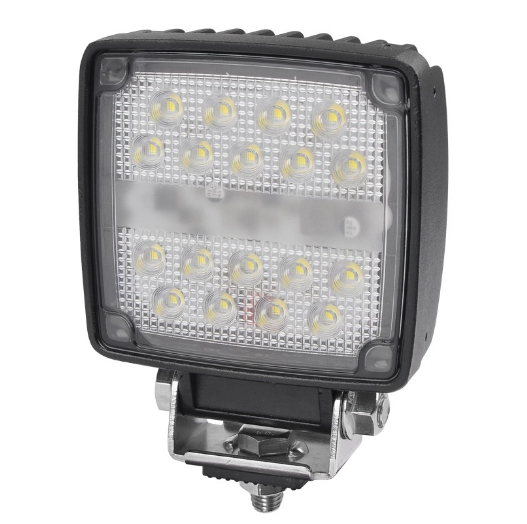
In the realm of agricultural machinery, ensuring optimal visibility is paramount for both safety and efficiency. The advent of LED technology has revolutionized lighting solutions, offering robust, energy-efficient, and durable options for various applications, including tractors. This article delves into the critical aspects of choosing waterproof and dustproof LED lights for tractors, focusing on the benefits, technical specifications, and practical considerations. For those interested in exploring a range of LED tractor lights, the options are vast and varied.
Understanding LED Technology
LED, or Light Emitting Diode, technology has become a cornerstone in modern lighting solutions due to its efficiency and longevity. Unlike traditional incandescent bulbs, LEDs convert most of their energy into light rather than heat, making them more efficient and less prone to overheating. This efficiency translates into lower energy consumption, which is particularly beneficial for agricultural machinery that operates for extended periods.
The durability of LEDs is another significant advantage. They are less susceptible to breakage compared to traditional bulbs, thanks to their solid-state construction. This robustness is crucial in agricultural settings where machinery is exposed to harsh conditions, including dust, moisture, and vibrations. Consequently, LED bulbs for tractors are designed to withstand these elements, ensuring consistent performance and reducing maintenance costs.
Benefits of Waterproof and Dustproof LED Lights
Waterproof and dustproof LED lights are essential for tractors operating in diverse environmental conditions. These lights are typically rated with an IP (Ingress Protection) code, which indicates their resistance to dust and water. A higher IP rating signifies better protection, with IP67 and IP68 being common for high-quality LED tractor lights. These ratings ensure that the lights can withstand heavy rain, dust storms, and even temporary submersion in water.
The benefits of such protection are manifold. Firstly, it enhances the longevity of the lights, reducing the need for frequent replacements. Secondly, it ensures consistent lighting performance, which is critical for maintaining visibility during nighttime operations or in adverse weather conditions. Lastly, it contributes to the overall safety of the operator by providing reliable illumination in all circumstances.
Technical Specifications to Consider
When selecting LED lights for tractors, several technical specifications should be considered to ensure optimal performance. The luminous efficacy, measured in lumens per watt, indicates the efficiency of the light. Higher efficacy means more light output for less energy consumption, which is desirable for energy conservation and cost savings.
Another critical specification is the color temperature, measured in Kelvin (K). For agricultural applications, a color temperature between 5000K and 6000K is ideal as it closely resembles daylight, providing clear visibility and reducing eye strain for operators. Additionally, the beam pattern should be considered. A flood beam pattern is suitable for broad area illumination, while a spot beam is better for long-distance visibility.
The voltage range is also important. Most LED tractor lights operate within a range of 10-30V DC, accommodating the electrical systems of various tractors. However, some manufacturers offer custom options for different voltage requirements, ensuring compatibility with a wide range of machinery.
Installation and Maintenance Considerations
Proper installation is crucial for maximizing the performance and lifespan of LED tractor lights. It is essential to follow the manufacturer's guidelines for installation, ensuring that the lights are securely mounted and properly wired. Adjustable mounting brackets are beneficial as they allow for multi-angle adaptability, ensuring optimal light coverage.
Regular maintenance is also important to ensure the longevity of the lights. This includes cleaning the lenses to remove dust and debris, checking the seals for any signs of wear, and inspecting the wiring for any damage. By maintaining the lights properly, operators can ensure consistent performance and reduce the risk of unexpected failures.
Case Studies and Real-World Applications
Several case studies highlight the effectiveness of waterproof and dustproof LED lights in agricultural settings. For instance, a farm in the Midwest United States reported a significant reduction in maintenance costs and improved visibility after switching to LED tractor lights. The lights' durability and efficiency allowed for extended nighttime operations, increasing productivity during peak seasons.
Another example is a vineyard in California that utilized LED work lights for its tractors. The lights' ability to withstand the dusty and humid environment ensured reliable performance throughout the year. This consistency in lighting helped the vineyard maintain its operations without interruption, even during adverse weather conditions.
Conclusion
Choosing the right LED lights for tractors is a critical decision that impacts both safety and efficiency. Waterproof and dustproof LED lights offer numerous benefits, including durability, energy efficiency, and consistent performance in harsh conditions. By considering technical specifications, installation, and maintenance practices, operators can maximize the benefits of LED technology in their agricultural operations. For those looking to explore more options, Tractor Work Light solutions provide a comprehensive range of products tailored to meet diverse needs.
FAQs
1. What are the advantages of using LED lights on tractors?
LED lights offer energy efficiency, durability, and superior illumination compared to traditional lighting options. They are less prone to breakage and provide consistent performance in harsh conditions.
2. How do I choose the right LED light for my tractor?
Consider factors such as luminous efficacy, color temperature, beam pattern, and voltage range. Ensure the lights have a high IP rating for waterproof and dustproof capabilities.
3. What is the significance of the IP rating in LED lights?
The IP rating indicates the level of protection against dust and water. A higher rating, such as IP67 or IP68, ensures better protection and longevity of the lights.
4. Can LED lights operate in extreme weather conditions?
Yes, high-quality LED lights with appropriate IP ratings are designed to operate efficiently in extreme weather conditions, including heavy rain and dust storms.
5. How often should I maintain my LED tractor lights?
Regular maintenance, including cleaning lenses and inspecting seals and wiring, is recommended to ensure optimal performance and longevity.
6. Are there custom options available for LED tractor lights?
Yes, many manufacturers offer custom voltage options and beam patterns to cater to specific requirements of different machinery.
7. What are some real-world applications of LED tractor lights?
LED tractor lights are used in various agricultural settings, such as farms and vineyards, to enhance visibility and productivity during nighttime operations and adverse weather conditions.


