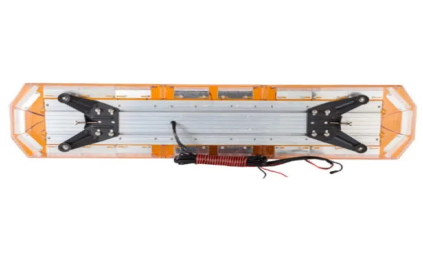
Agriculture has always been about adapting to nature’s cycles. Farmers historically worked from sunrise to sunset, relying solely on daylight to guide planting, irrigation, and harvesting. But modern farming practices have advanced rapidly with the help of innovative technologies, and one of the unsung heroes of this transformation is the LED strobe light.
1. Why Lighting Matters in Agriculture
Lighting isn’t just about visibility—it affects efficiency, crop yield, and safety. Modern farms operate large machinery, automated irrigation systems, and round-the-clock schedules, meaning farmers often need to extend operations beyond daylight hours. Without reliable lighting, risks increase: workers may face injuries, crops could be damaged during harvesting, and machinery may not operate with precision.
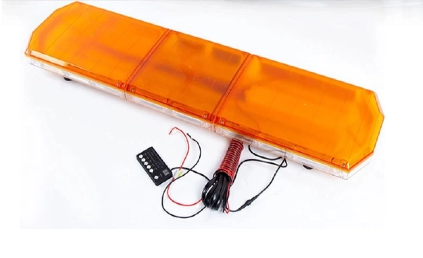
This is where LED strobe lights come into play. Unlike traditional incandescent or halogen lights, LED technology provides bright, energy-efficient illumination tailored for agricultural demands. When combined with strobe functionality, these lights offer enhanced visibility, signaling, and operational control.
2. The Role of LED Strobe Lights in Farming
LED strobe lights serve two main purposes on farms: illumination and signal communication.
Illumination: Farmers rely on LED strobe lights for night harvesting, late-night irrigation checks, and machinery operation. The powerful beams cut through darkness, ensuring precision and reducing errors.
Signaling: Strobe patterns act as warning or guidance signals for workers and equipment operators. For example, strobes can mark boundaries in fields, highlight irrigation lines, or signal active machinery in low-light conditions.
Their dual role makes them indispensable in modern farming, where safety and efficiency must coexist.
3. Night Harvesting Made Possible
a. Extending Working Hours
One of the biggest challenges for farmers is dealing with time-sensitive harvest windows. Crops like grapes, corn, wheat, and certain vegetables must be harvested at peak ripeness to maximize yield and quality. LED strobe lights give farmers the flexibility to continue operations after sunset, effectively doubling their working hours during busy seasons. This flexibility helps prevent crop loss caused by sudden weather changes or labor shortages. By running harvesters at night under the illumination of strobes, farms can operate continuously, ensuring that no valuable produce is left in the field.
b. Protecting Crop Quality
For many crops, timing is everything. High daytime temperatures can accelerate wilting, reduce sugar levels in fruits, or even cause damage during harvesting and transport. By conducting harvesting activities at night, when temperatures are cooler, farmers can preserve natural freshness, color, and nutritional value. This practice is particularly beneficial for fruits and vegetables that are sensitive to heat stress. LED strobe lights provide clear, uniform illumination, making it easier to pick or cut produce without damaging stems or bruising delicate skins. As a result, the quality of the harvest improves, and shelf life is extended—an essential factor for products headed to markets or export.
c. Enhancing Worker Safety
Working in dark, uneven fields poses significant risks. Farmers and laborers often handle sharp tools, operate large harvesters, or navigate tractors across rough terrain. Without sufficient lighting, the chances of accidents increase dramatically. LED strobe lights address these concerns by providing strong, focused beams that illuminate pathways, machinery, and work areas. Beyond illumination, their flashing function serves as a visual warning system, alerting workers to the presence of active equipment or restricted zones. This reduces the likelihood of collisions or injuries. The improved visibility also helps machine operators coordinate more effectively with ground workers, ensuring smoother and safer operations throughout the night.
4. Supporting Irrigation Systems
a. Monitoring Water Distribution
In large fields, irrigation systems often run overnight to take advantage of cooler temperatures and reduce evaporation. LED strobe lights allow farmers to monitor sprinklers, pumps, and water lines in real time, even at night.
b. Identifying Malfunctions Quickly
If a pump fails or a pipe bursts, LED strobes provide clear visibility for immediate troubleshooting. This minimizes water waste and prevents uneven distribution that could affect crop health.
c. Environmental Benefits
By enabling night irrigation, LED lighting indirectly conserves water. Since evaporation rates are lower in the evening, farms can achieve higher efficiency and sustainability.
5. Key Benefits of LED Strobe Lights in Farming
a. Energy Efficiency
Compared to traditional halogen or incandescent lights, LEDs consume up to 80% less energy. This reduces operational costs for farms, which often run lights for long hours.
b. Long Lifespan
LED strobe lights are designed for durability. With lifespans exceeding 50,000 hours, they reduce the need for frequent replacements—ideal for demanding farm environments.
c. Durability in Harsh Conditions
Farms are tough environments, with dust, humidity, and temperature fluctuations. LED strobe lights are built to withstand these challenges, ensuring reliable performance year-round.
d. Safety Enhancements
Strobes make equipment and workers more visible. Whether it’s a tractor in a dark field or a worker near irrigation pumps, strobes reduce risks by signaling activity clearly.
e. Versatility
From being mounted on harvesters and tractors to marking irrigation zones, LED strobe lights adapt to various agricultural applications.
6. Integration with Smart Farming Technologies
The rise of precision agriculture has pushed farmers to adopt technologies like IoT sensors, GPS-guided machinery, and drones. LED strobe lights integrate seamlessly into these systems.
IoT Monitoring: Smart controllers can activate strobes automatically during irrigation or harvesting, reducing manual oversight.
GPS Machinery Guidance: Strobe lights can mark lanes or rows, guiding autonomous tractors and harvesters at night.
Drones for Inspection: Equipped with strobes, drones can monitor crops, water distribution, and field boundaries during low-light conditions.
By combining LED lighting with smart farming, agricultural operations become more efficient and sustainable.
7. Case Studies in Modern Farming
In vineyards, harvesting often happens at night to preserve grape quality. LED strobe lights mounted on harvesting machines illuminate rows while strobes mark worker positions, preventing accidents and ensuring smooth operations.
During peak harvest seasons, grain farmers work around the clock. LED strobes on combines allow operators to coordinate better, signaling when bins are full or when machinery is moving between rows.
In regions with extensive irrigation infrastructure, LED strobe lights help farmers oversee nighttime operations. Pumps and pipelines equipped with strobes indicate active flow, making monitoring easier and more precise.
8. Choosing the Right LED Strobe Lights for Farming
When selecting LED strobe lights for agricultural applications, farmers should consider:
Brightness and Beam Range: High-lumen output ensures coverage across large fields.
Strobe Modes: Adjustable flash patterns provide flexibility for different uses.
Power Source: Options include battery-powered, solar-charged, or tractor-mounted units.
Weather Resistance: Look for waterproof and dustproof ratings (IP65 or higher).
Mounting Flexibility: Lights should be easy to attach to tractors, harvesters, irrigation pumps, or stationary poles.
Conclusion
Farming has always been about resilience, innovation, and adapting to changing needs. LED strobe lights represent a practical yet transformative technology that enables farmers to extend their working hours, improve safety, optimize irrigation, and enhance overall productivity.
By combining durability, efficiency, and versatility, these lights empower modern farms to meet growing food demands while embracing sustainable practices.
For farmers seeking reliable and high-performance lighting solutions, exploring professional suppliers is a smart step forward. Companies such as Shenzhen Creek Optoelectronic Technologies Co., Ltd. provide advanced LED strobe lights tailored for agricultural and industrial needs. Farmers and agricultural businesses can contact or learn more from this company to discover solutions that fit their unique operational requirements.


