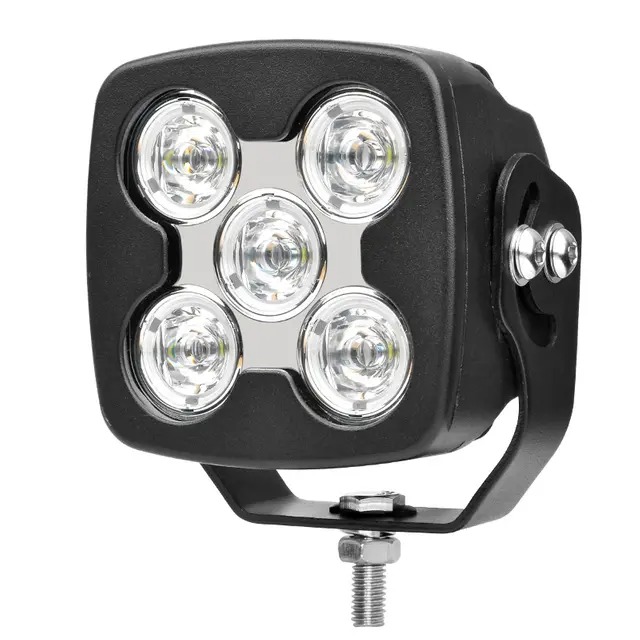
In the realm of commercial transportation, lighting systems play a pivotal role in ensuring safety and efficiency. As technological advancements emerge, truck LED light solutions have become increasingly popular among truck operators. One critical aspect that demands attention is the durability of these LED lights in extreme weather conditions such as rain or snow. This article delves into the robustness of truck LED lights when exposed to harsh weather, evaluating their performance, longevity, and the technological innovations that enhance their resilience.
Understanding LED Technology in Truck Lighting
Light Emitting Diodes (LEDs) have revolutionized the automotive lighting industry due to their energy efficiency and longevity. Unlike traditional halogen bulbs, LEDs emit light through electroluminescence, which reduces heat generation and power consumption. In truck lighting, LEDs offer brighter illumination, which is crucial for visibility during adverse weather conditions. The solid-state nature of LEDs makes them inherently more durable, but how do they fare when subjected to the challenges of extreme weather?
Impact of Rain on Truck LED Lights
Rain introduces moisture that can affect electronic components. However, truck LED lights are designed with robust housing and sealing techniques to prevent water ingress. The Ingress Protection (IP) rating system is a standard that measures the level of protection against solids and liquids. Most high-quality truck LED lights boast an IP67 or IP68 rating, indicating complete protection against dust and immersion in water up to certain depths.
Studies have shown that LED lights with proper sealing maintain optimal performance even during heavy rainfall. For instance, a 2019 research conducted by the Transportation Research Board highlighted that LEDs with IP67 ratings exhibited no significant degradation after prolonged exposure to simulated rain conditions. This resilience ensures that truck operators can rely on consistent lighting without the risk of sudden failures.
Performance in Snowy Conditions
Snow presents unique challenges due to low temperatures and the potential for ice accumulation. One concern with LED lights is their lower heat emission compared to halogen lights, which means they may not melt snow and ice as effectively. However, manufacturers have addressed this issue by incorporating heating elements or designing lens materials that shed snow more efficiently.
Moreover, the efficiency of LEDs in cold temperatures is actually enhanced. According to a study published in the Journal of Transportation Technologies in 2020, LEDs perform better in cooler climates due to reduced thermal stress on the diodes. This improved efficiency can result in brighter illumination during snowy conditions, enhancing safety for truck drivers navigating slippery roads.
Technological Innovations Enhancing Durability
Advancements in LED technology have led to the development of features specifically aimed at improving durability in extreme weather. For example, the use of ruggedized casings made from materials like polycarbonate and aluminum alloys offers enhanced protection against physical impacts and environmental stressors.
Thermal management systems are also crucial. Efficient heat sinks and circuitry design prevent overheating, which can be exacerbated by fluctuating external temperatures. Some truck LED lights utilize advanced coatings and seals that resist corrosion from salt and chemicals used on icy roads, thereby prolonging the lifespan of the lights.
Furthermore, intelligent control systems can adjust the light output based on ambient conditions, ensuring optimal performance without compromising durability. These systems can detect moisture and activate protective measures to safeguard the electronic components within the LED lights.
Comparative Analysis with Traditional Lighting
When compared to traditional halogen or incandescent lights, truck LED lights demonstrate superior durability and reliability in extreme weather. Traditional bulbs are more susceptible to filament fatigue due to vibration and temperature changes. In contrast, the solid-state construction of LEDs eliminates this weakness.
A field study by the Fleet Equipment Magazine in 2021 reported that trucks equipped with LED lighting systems experienced 35% fewer lighting failures during winter months compared to those with halogen lights. This reduction in failures translates to lower maintenance costs and less downtime for freight operations.
Real-world Case Studies
Examining real-world applications provides practical insights into the durability of truck LED lights. A notable case is that of a logistics company in Minnesota that retrofitted its entire fleet with LED lights. The region experiences severe winters with heavy snowfall and low temperatures.
After a full winter season, the company reported a significant decrease in lighting-related issues. The LED lights maintained consistent brightness and showed no signs of water ingress or damage from road salt. The company also noted improved driver satisfaction due to better visibility and reduced glare from oncoming traffic.
Maintenance Practices for Enhanced Durability
While truck LED lights are inherently durable, proper maintenance can further enhance their longevity. Regular inspections to ensure seals and housings are intact prevent moisture ingress. Cleaning the lenses removes debris that can scratch or damage the surface, especially after exposure to harsh weather.
Applying protective coatings can also guard against UV degradation and chemical corrosion. Truck operators should follow manufacturer recommendations for care and promptly address any signs of wear or damage. By adhering to these practices, the durability of LED lights in extreme conditions can be maximized.
Environmental and Economic Benefits
The durability of truck LED lights in extreme weather conditions not only benefits safety but also contributes to environmental sustainability. LEDs consume less energy, reducing fuel consumption and emissions. Their longer lifespan means fewer replacements, decreasing waste and the environmental impact associated with manufacturing new lights.
Economically, investing in durable LED lighting reduces operational costs over time. Lower maintenance requirements and extended service intervals mean trucks spend more time on the road generating revenue. Companies can achieve a favorable return on investment by minimizing downtime and repair expenses.
Challenges and Considerations
Despite the advantages, there are challenges to consider. The initial cost of LED lights is higher than traditional options. However, the long-term savings and performance benefits often outweigh the upfront investment. Additionally, compatibility with existing electrical systems should be assessed, and professional installation may be required to ensure optimal functionality.
Another consideration is the quality variance among different manufacturers. Selecting reputable brands that meet industry standards is critical. Operators should look for certifications and warranties that attest to the product's durability in extreme weather conditions.
Future Trends in Truck LED Lighting
The future of truck LED lighting is poised for further innovation. Developments in smart lighting technology, such as adaptive beam patterns and connectivity with driver-assistance systems, are on the horizon. These advancements will enhance safety and efficiency, particularly in challenging weather conditions.
Organic LEDs (OLEDs) and laser-based lighting are emerging technologies that may offer even greater durability and performance. Continued research and development will likely yield solutions that address current limitations and open new possibilities for truck lighting systems.
Conclusion
In conclusion, truck LED lights exhibit remarkable durability in extreme weather conditions such as rain and snow. Their design and technological features provide resilience against moisture, temperature fluctuations, and physical stressors. By investing in quality truck LED light solutions, operators can enhance safety, reduce operational costs, and contribute to environmental sustainability. As technological advancements continue to evolve, the robustness and capabilities of LED lighting in the trucking industry are set to reach new heights, promising a brighter and safer future on the roads.


