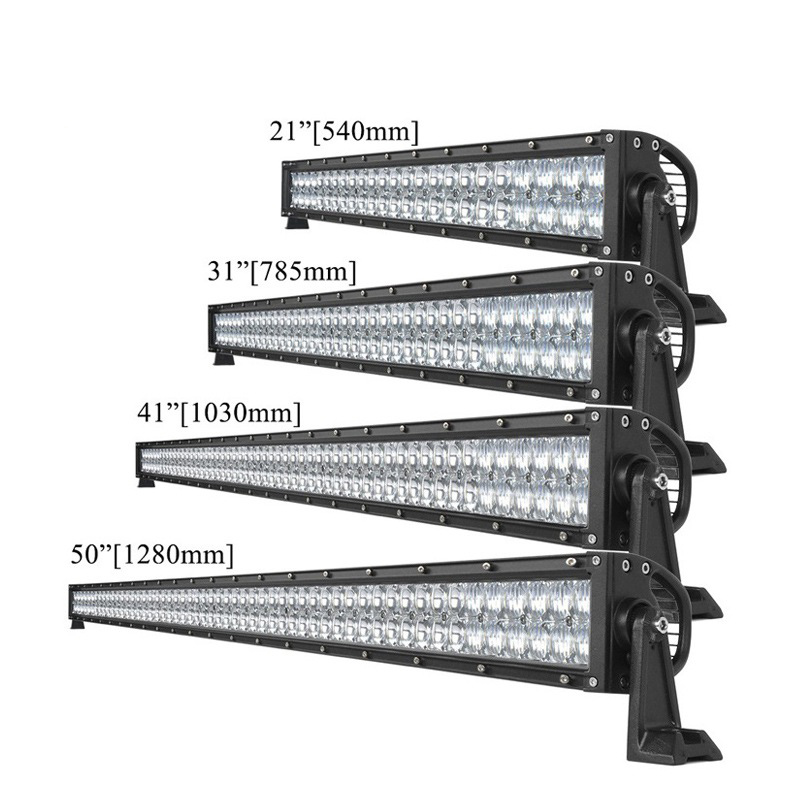
Off-road vehicle enthusiasts understand the importance of proper lighting when traversing rugged terrains. The right LED light bar can significantly enhance visibility, safety, and the overall off-roading experience. However, choosing the ideal LED light bar requires careful consideration of various factors, including brightness, durability, beam pattern, and legal compliance. This article delves into the critical aspects to consider when selecting the perfect LED light bar for off-road vehicle modification, providing insights backed by industry research and expert opinions.
Understanding LED Light Bar Specifications
Before selecting an LED light bar, it's essential to comprehend the technical specifications that determine its performance. Key parameters include lumens, wattage, color temperature, and beam patterns. Lumens measure the total light output; higher lumens indicate brighter light. Wattage reflects the power consumption, but due to LED efficiency, higher wattage doesn't always mean more brightness. Color temperature, measured in Kelvin, affects the hue of the light, where lower values produce warmer tones, and higher values yield cooler, daylight-like illumination.
Beam Patterns Explained
Beam pattern is crucial in determining how the light is projected. Common patterns include spot, flood, and combination beams. Spot beams concentrate light into a narrow, long-distance beam ideal for high-speed driving. Flood beams disperse light over a wide area, suitable for illuminating immediate surroundings. Combination beams offer a mix of both, providing versatility for varied driving conditions.
Assessing Build Quality and Durability
Off-road environments can be harsh, with exposure to dust, water, vibrations, and impacts. Therefore, the build quality of an LED light bar is paramount. Look for light bars with robust housings made from materials like die-cast aluminum, which offer excellent heat dissipation and structural integrity. An IP67 or higher waterproof rating ensures resistance to water and dust ingress, crucial for maintaining functionality in adverse conditions.
Impact of Vibration Resistance
Constant vibrations can damage internal components of the light bar. Quality models are designed with advanced vibration resistance, using secure mounting brackets and shock-absorbing materials. This design protects the LEDs and circuitry, extending the lifespan of the light bar, which can exceed 50,000 hours of operation.
Legal Considerations and Compliance
Different regions have regulations governing the use of auxiliary lighting on vehicles. It's essential to understand local laws regarding brightness limits, allowable mounting positions, and usage on public roads. Non-compliance can result in fines or vehicle impoundment. Selecting an LED light bar certified by relevant authorities, such as E-mark or DOT, ensures that it meets legal standards.
Certification Importance
Certifications indicate that the light bar has passed stringent tests for safety and performance. For instance, E-mark certification signifies compliance with European regulations. These certifications provide assurance of quality and legality, making them critical factors in the selection process.
Installation and Compatibility
The ease of installation is another important consideration. Light bars should come with comprehensive mounting hardware and instructions. Compatibility with your vehicle's make and model is essential to avoid extensive modifications. Some products offer vehicle-specific brackets, like the off road LED light bar mounting brackets for popular models, simplifying the installation process.
Electrical System Considerations
Ensure that your vehicle's electrical system can handle the additional load. While LEDs are energy-efficient, powerful light bars can draw significant current. It may be necessary to upgrade the wiring harness or install relays and fuses to protect the electrical system. Professional installation is recommended if you're unfamiliar with automotive electrical systems.
Evaluating Additional Features
Modern LED light bars offer a range of additional features that enhance functionality and user experience. Some include integrated daytime running lights (DRLs), RGB halos for aesthetic customization, or wireless controls. The inclusion of these features can add value but may also increase complexity and cost.
Heat Management Systems
Effective heat dissipation is vital for maintaining LED performance and longevity. Quality light bars incorporate heat sinks and cooling fins to manage thermal output. Advanced models may use thermal management technologies to prevent overheating, ensuring consistent light output during extended use.
Price vs. Performance
While budget considerations are important, the cheapest option isn't always the best choice for off-road applications. Investing in a higher-quality LED light bar can offer better performance, durability, and reliability. Consider the total cost of ownership, including potential replacements and maintenance over time.
Warranty and Customer Support
Manufacturers that stand behind their products typically offer substantial warranties and responsive customer support. A warranty can be an indicator of product quality and provide peace of mind. Assess the manufacturer's reputation, warranty terms, and availability of after-sales service.
Case Studies and User Experiences
Real-world user experiences can provide valuable insights into how a light bar performs in off-road conditions. Reviews and testimonials often highlight the pros and cons that aren't evident from specifications alone. For example, users of the Gview 130W Projector Lens LED Headlight Bulb report significant improvements in night-time visibility and beam focus, enhancing safety during off-road excursions.
Community Recommendations
Off-road communities and forums are excellent resources for advice. Experienced enthusiasts often share their setups, modifications, and the performance of various products. Engaging with these communities can help identify reliable brands and models that have been tested in similar conditions.
Technological Advances in LED Lighting
The LED lighting industry is continually evolving, with advancements leading to more efficient and powerful light bars. Innovations such as adaptive lighting, which adjusts the beam pattern based on driving conditions, and integration with vehicle systems are becoming more prevalent.
Smart Control Systems
Some modern LED light bars offer smart controls through apps or wireless remotes, allowing users to adjust brightness, change modes, or switch colors on RGB models. While these features add convenience, they also require consideration of compatibility and potential technical issues.
Environmental Impact and Energy Efficiency
LED light bars are more energy-efficient than traditional lighting solutions, consuming less power and reducing the strain on the vehicle's electrical system. This efficiency contributes to lower fuel consumption and decreased environmental impact. Selecting energy-efficient models supports sustainable practices in off-road vehicle modification.
Recyclability and Materials
Consideration of the materials used in manufacturing is also important. Light bars made from recyclable materials or those that comply with environmental standards like RoHS contribute to reducing ecological footprints. Responsible disposal and recycling of old equipment are part of sustainable practices.
Customization and Aesthetic Considerations
Beyond functionality, LED light bars can enhance the visual appeal of off-road vehicles. Products with customizable features like RGB lighting or unique designs allow owners to personalize their vehicles. This customization can reflect personal style or enhance the vehicle's visibility.
Integration with Vehicle Design
Choosing a light bar that complements the vehicle's design can enhance its overall appearance. Sleek, low-profile light bars or those that fit seamlessly with existing fixtures maintain the vehicle's aesthetic integrity while adding functionality.
Conclusion
Selecting the right LED light bar for off-road vehicle modification involves a comprehensive evaluation of technical specifications, build quality, legal requirements, and personal preferences. Prioritizing factors such as durability, performance, and compatibility ensures that the chosen light bar will meet the demands of off-road driving while enhancing safety and enjoyment. By considering the insights and recommendations provided, enthusiasts can make informed decisions that result in a rewarding investment, elevating their off-road experiences to new heights.


