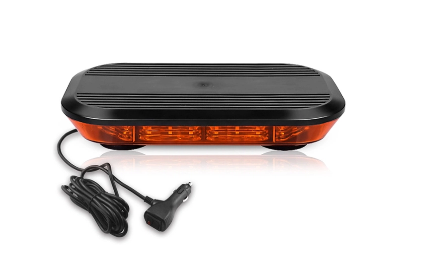
When it comes to off-road adventures, enthusiasts know that preparation is everything. From rugged tires to reinforced suspension systems, every upgrade plays a role in ensuring safety and performance. However, one component that is often underestimated is lighting. While standard headlights do their job on paved roads, they can fall short when faced with dense forests, rocky terrains, and pitch-dark trails. This is where LED strobe lights step in—not only boosting visibility but also adding an undeniable style factor to any off-road vehicle.
In this article, we’ll explore why upgrading to LED strobe lights is essential for off-road vehicles, the different types available, their practical benefits, installation tips, and how they enhance both safety and aesthetics for trucks, SUVs, motorcycles, and other off-road machines.
1. Why Lighting Matters in Off-Road Adventures
Off-road terrains are unpredictable. Drivers often encounter sudden drops, sharp rocks, wildlife crossings, and muddy patches. Visibility plays a critical role in responding to these obstacles. Unlike city driving, where streetlights and smooth roads provide consistent conditions, off-road driving is filled with uncertainty.
Standard halogen or even HID headlights may illuminate the path directly ahead, but they rarely provide the broad, intense, and durable lighting needed in extreme environments. On the other hand, LED lighting technology has revolutionized off-road experiences. Among these, LED strobe lights stand out because they combine brightness with alert signaling, serving as both functional tools and stylish modifications.
2. What Makes LED Strobe Lights Different?
Unlike regular LED headlights or floodlights, LED strobe lights are designed to flash rapidly, producing pulses of light that grab attention. This feature makes them useful in situations where signaling and visibility are equally important. Here’s what sets them apart:
High Intensity: Strobe patterns create bursts of light that can cut through dust, fog, or heavy rain.
Signal Capability: Off-roaders often travel in groups. Strobes can act as markers, helping vehicles follow each other safely.
Aesthetic Appeal: The pulsing effect brings a modern, rugged look that enhances vehicle style.
Durability: Most LED strobe lights are built with waterproof, dustproof, and shock-resistant housing to withstand harsh off-road conditions.
In short, these lights are not just for show—they are engineered for real-world use.
3. Benefits of Upgrading to LED Strobe Lights
a Enhanced Visibility
The most obvious benefit is visibility. Strobe lights can illuminate wide areas and alert others to your presence, especially in low-light environments like forests, deserts, or mountain trails.
b Safety in Emergencies
If a vehicle breaks down at night or gets stuck in rough terrain, strobes serve as emergency beacons. Their rapid flashing is visible from a distance, making it easier for rescuers or fellow travelers to spot the vehicle.
c Group Coordination
When traveling in convoys, LED strobe lights make it easy for drivers to keep track of each other. Each vehicle’s unique light pattern acts as an identifier.
d Energy Efficiency
Compared to halogen systems, LEDs consume less power while producing brighter light. This is critical for off-roaders who rely heavily on battery performance.
e Long Lifespan
LED technology offers tens of thousands of hours of use, meaning your investment will last through many adventures.
f Stylish Customization
For many enthusiasts, off-roading isn’t just about utility—it’s about expression. LED strobe lights come in different colors and patterns, allowing vehicle owners to personalize their look.
4. Applications of LED Strobe Lights in Off-Roading
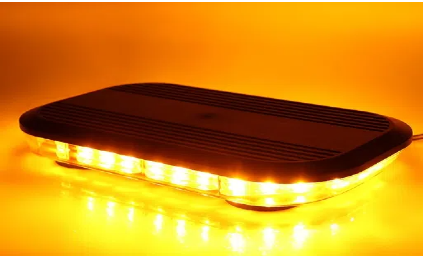
Trucks and SUVs: Mounted on the roof, grille, or bumpers, they provide both forward and side illumination.
Motorcycles and ATVs: Compact strobe lights improve safety while maintaining a sleek design.
Utility and Rescue Vehicles: Strobes make these vehicles highly visible during nighttime operations.
Trailers and Campers: Strobe lights add safety when towing equipment or navigating campsites after dark.
5. Choosing the Right LED Strobe Light
With countless options on the market, selecting the right strobe light requires careful consideration. Here are some factors to evaluate:
Brightness (Lumens): Higher lumens mean greater visibility. Look for strobes with adjustable brightness for versatility.
Flash Patterns: Many strobe lights offer multiple flash modes, from rapid to slow pulsing. Choose based on your needs—safety signaling or style.
Size and Mounting Options: Compact designs work best for motorcycles, while larger models suit trucks and SUVs.
Durability Ratings: Look for IP67 or IP68 ratings to ensure waterproof and dustproof performance.
Color Options: White is most common, but amber or blue strobes may be preferable for signaling or aesthetic purposes.
Power Source: Some models connect directly to the vehicle’s battery, while others are plug-and-play via cigarette lighter adapters.
6. Installation Tips for LED Strobe Lights
Installing LED strobe lights can be a straightforward DIY project with the right tools and planning.
Plan the Mounting Location: Roof racks, grilles, bumpers, and rear panels are common spots. Ensure the lights don’t obstruct visibility or airflow.
Wiring Considerations: Use appropriate fuses and relays to protect your vehicle’s electrical system.
Switch Placement: Install switches in easily accessible areas inside the cabin for quick control.
Avoid Overcrowding: Too many lights can drain power and clutter the vehicle’s design. Strike a balance between function and appearance.
Test Before Finalizing: Always test light patterns and brightness before permanently securing the unit.
If you’re unsure, professional installation is a worthwhile investment to ensure both safety and performance.
7. LED Strobe Lights and Style
For many off-road enthusiasts, aesthetics are just as important as utility. LED strobe lights provide an opportunity to stand out. Whether you prefer a rugged, tactical look or a sleek, futuristic vibe, strobes can complement your vehicle’s personality.
Color Accents: Choose strobes that match your vehicle’s paint or accessories.
Pattern Variety: Alternating flashes, rotating effects, or synchronized patterns with other lights add uniqueness.
Integration with Other Mods: Combine strobes with LED bars, underglow kits, or wheel lights for a cohesive lighting design.
The result is a vehicle that doesn’t just perform well but also turns heads.
8. Maintenance and Longevity
One of the key advantages of LED technology is minimal maintenance. However, a few practices ensure maximum lifespan:
Regular Cleaning: Off-road conditions cause dust and mud buildup. Wipe lenses clean after trips.
Check Connections: Vibrations from rough terrain can loosen wires—inspect regularly.
Inspect Seals: Ensure waterproof seals remain intact, especially after extreme weather exposure.
Battery Management: Monitor battery health to avoid power strain when running multiple lights.
With these steps, your LED strobe lights will remain reliable for years to come.
9. Final Thoughts
For anyone serious about off-road adventures, upgrading to LED strobe lights is more than a cosmetic choice—it’s a practical investment in safety, visibility, and style. From helping groups stay coordinated to ensuring your vehicle is visible in emergencies, strobes provide versatile functionality. At the same time, they allow drivers to personalize their vehicles, making every journey both safer and more stylish.
If you’re considering an upgrade, look for high-quality options that balance brightness, durability, and customization.
For those seeking dependable solutions, Shenzhen Creek Optoelectronic Technologies Co., Ltd. offers advanced LED lighting products designed for tough environments. Their expertise in LED innovation makes them a trusted partner for off-road enthusiasts worldwide. Exploring their range of strobe and work lights could be the next step in preparing your vehicle for unforgettable adventures.


