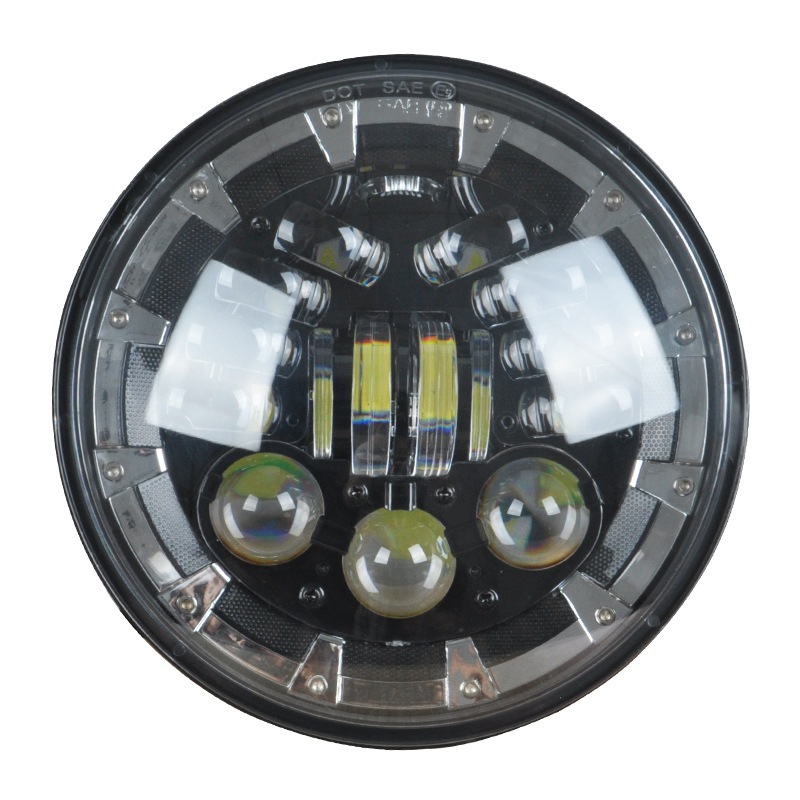
In modern industrial environments, safety remains a paramount concern. Forklifts, essential for material handling, operate in bustling warehouses and construction sites where visibility challenges can lead to accidents. One critical safety feature that addresses this issue is the flashing light on forklifts. This article delves into the necessity of flashing lights on forklifts, examining their role in enhancing workplace safety and compliance with regulatory standards. The integration of advanced technologies like forklift safety lights has revolutionized safety protocols, reducing incidents and promoting a secure work environment.
The Evolution of Forklift Safety Measures
Forklifts have undergone significant technological advancements since their inception in the early 20th century. Initially, safety measures were minimal, focusing primarily on mechanical reliability. However, the increasing complexity of industrial operations necessitated improved safety features. Flashing lights emerged as a critical component, serving as visual warnings to pedestrians and other operators. The evolution reflects a broader shift towards incorporating proactive safety measures in equipment design.
Early Safety Implementations
In the initial stages, safety features included basic signals and audible alarms. Operators relied on horns to alert nearby workers, which were often insufficient in noisy environments. Recognizing these limitations led to the integration of visual alerts, such as static lights, aiming to enhance visibility.
Transition to Advanced Lighting Systems
With technological advancements, static lights evolved into flashing lights, offering dynamic warnings that capture attention more effectively. The introduction of forklift laser safety lights marked a significant leap, projecting visible boundaries around the vehicle to warn of its approach. These innovations underscore the industry's commitment to enhancing safety through technology.
Regulatory Compliance and Standards
Compliance with safety regulations is mandatory for operational legitimacy and employee well-being. Regulatory bodies like the Occupational Safety and Health Administration (OSHA) in the United States mandate specific safety features for forklifts. Flashing lights are often required in environments with low visibility or high foot traffic to prevent collisions.
OSHA Guidelines
OSHA does not explicitly mandate flashing lights on all forklifts but recommends them as part of a comprehensive safety program. Employers are responsible for assessing workplace hazards and implementing necessary controls, which often include visual warning devices.
International Standards
Globally, similar regulations emphasize the importance of visibility and warning signals. For instance, the European Union’s Machinery Directive requires machinery to be equipped with signaling devices if their operation poses risks to workers. Compliance ensures not only legal adherence but also fosters a culture of safety.
Enhancing Workplace Safety
Flashing lights on forklifts serve as a proactive measure to prevent accidents. They alert pedestrians and other operators to the forklift's presence, especially around corners, blind spots, or in areas with obstructed views. The implementation of advanced lighting systems significantly reduces the likelihood of collisions.
Visual Awareness
Humans are highly responsive to visual stimuli. Flashing lights capitalize on this by providing immediate recognition of a moving vehicle. In environments where auditory signals may be drowned out by ambient noise, visual cues are indispensable.
Reducing Operational Risks
Operational risks not only endanger personnel but also affect productivity. Accidents lead to downtime, investigations, and possible legal consequences. By equipping forklifts with forklift laser safety lights manufacturer products, companies invest in mitigating these risks effectively.
Technology Behind Forklift Flashing Lights
Understanding the technology enhances appreciation of its benefits. Modern forklift flashing lights employ LED technology, offering longevity and energy efficiency. Laser lights project precise lines or zones on the floor, providing clear warnings.
LED Lighting Advantages
LED lights consume less power and have a longer lifespan compared to traditional bulbs. Their brightness and clarity ensure visibility even in well-lit environments. Durability under harsh industrial conditions makes them ideal for forklifts.
Laser Safety Lights
Laser lights create visible boundaries around the forklift. These projections serve as a safety zone, alerting individuals to maintain a safe distance. The precision of lasers allows for customized safety solutions tailored to specific operational needs.
Case Studies and Statistical Evidence
Empirical evidence underscores the effectiveness of flashing lights. Studies indicate a significant reduction in workplace accidents after the implementation of enhanced lighting systems.
Accident Reduction Statistics
According to the National Safety Council, workplaces that adopted flashing lights on forklifts reported a 40% decrease in collision incidents. This statistic highlights the direct impact of visual warning systems on safety.
Industry-Specific Success Stories
In the manufacturing sector, companies reported improved safety records post-installation of laser safety lights. These success stories reinforce the importance of investing in quality safety equipment.
Economic Benefits of Enhanced Safety
Beyond safety, there are economic incentives for installing flashing lights. Reduced accidents lead to lower insurance premiums, less downtime, and improved employee morale, which collectively boost productivity.
Cost Savings Analysis
Investments in safety equipment yield long-term savings. The initial cost of installing flashing lights is offset by the reduction in accident-related expenses. Companies experience fewer financial losses due to equipment damage and medical costs.
Productivity Enhancement
A safe work environment enhances productivity. Employees operate with confidence, and workflow disruptions due to accidents are minimized. This positive atmosphere contributes to overall operational efficiency.
Selecting the Right Safety Lights
Choosing appropriate safety lights involves assessing operational needs and environmental conditions. Key factors include light intensity, durability, and compatibility with existing equipment.
Assessing Operational Requirements
Evaluate the workplace layout, lighting conditions, and typical traffic patterns. In areas with low visibility, brighter lights or laser projections may be necessary. Consider the types of materials handled and any specific safety challenges.
Durability and Maintenance
Industrial environments demand robust equipment. Select lights with high ingress protection (IP) ratings to ensure resistance to dust and moisture. Regular maintenance schedules will prolong the lifespan of the safety lights.
The Role of Manufacturers in Safety Innovation
Manufacturers play a crucial role in advancing forklift safety. Companies specializing in safety lights, such as forklift laser safety lights manufacturers, drive innovation by developing new technologies and products that meet evolving safety needs.
Research and Development
Investing in R&D leads to the creation of cutting-edge safety solutions. Manufacturers collaborate with industry stakeholders to identify safety gaps and design products that address these challenges effectively.
Customization and Client Support
Manufacturers offer customized solutions to meet specific client needs. Support extends beyond sales, including installation guidance and after-sales service, ensuring optimal product performance.
Training and Safety Protocols
While equipment enhancements are vital, operator training and adherence to safety protocols are equally important. Comprehensive training programs ensure that operators utilize safety features effectively.
Operator Awareness
Training emphasizes the importance of safety features and how to use them. Operators learn to conduct pre-operation checks, ensuring that flashing lights and other safety devices are functioning correctly.
Continuous Education
Regular refresher courses keep safety at the forefront. Updates on new regulations or technologies are incorporated into training, promoting a proactive safety culture.
Global Perspectives on Forklift Safety
Forklift safety is a global concern. International collaboration and shared best practices contribute to improved safety standards worldwide. Manufacturers and regulatory bodies work together to promote universal safety measures.
International Safety Forums
Forums and conferences provide platforms for discussing safety innovations. Stakeholders share experiences and strategies, fostering a collective effort to enhance safety across borders.
Standardization Efforts
Global standardization of safety features ensures consistency. International standards organizations develop guidelines that manufacturers adhere to, facilitating the adoption of proven safety measures.
The necessity of flashing lights on forklifts cannot be overstated. They are a critical component in safeguarding personnel and assets in industrial environments. The integration of advanced technologies, such as those offered by leading forklift laser safety lights manufacturers, exemplifies the commitment to safety excellence. By understanding the importance of these devices, complying with regulatory standards, and investing in quality equipment, organizations can significantly reduce accidents and promote a culture of safety.
Frequently Asked Questions (FAQs)
1. Why are flashing lights critical on forklifts?
Flashing lights enhance visibility, alerting pedestrians and other operators to the forklift's presence, thereby preventing accidents in busy or low-visibility environments.
2. How do forklift laser safety lights work?
They project visible lines or zones around the forklift, creating a safety boundary that warns nearby individuals to maintain a safe distance.
3. Are there regulations requiring flashing lights on forklifts?
While specific requirements vary, organizations like OSHA recommend flashing lights as part of comprehensive safety measures, especially in high-risk areas.
4. What benefits do advanced safety lights offer over traditional ones?
Advanced lights, such as LEDs and lasers, provide brighter, more durable, and energy-efficient solutions, with features like projected safety zones enhancing effectiveness.
5. How do manufacturers contribute to forklift safety?
They innovate and develop advanced safety lights, offer customization, and provide support services to ensure the effective implementation of safety solutions.
6. Can investing in safety lights reduce operational costs?
Yes, by preventing accidents, companies save on medical expenses, equipment repairs, and insurance premiums, while also boosting productivity.
7. What should be considered when selecting forklift safety lights?
Consider operational needs, environmental conditions, light intensity, durability, and compatibility with existing equipment to choose the most effective solution.


