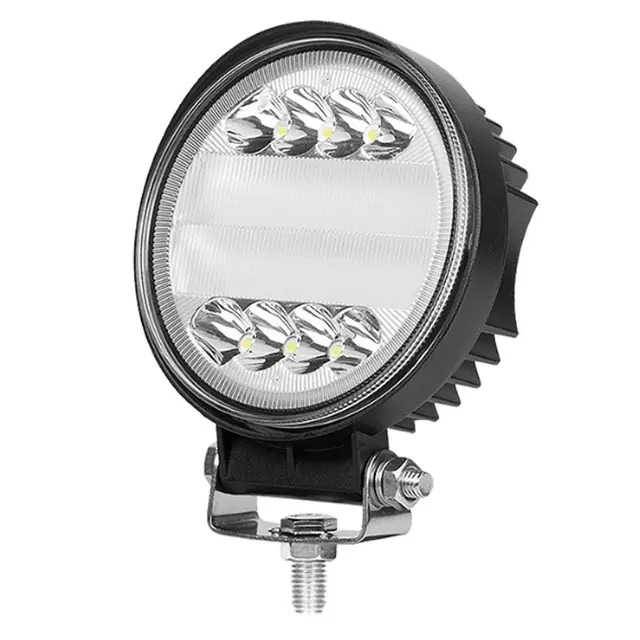
In the world of offroading, visibility is paramount. Navigating through challenging terrains and adverse weather conditions requires equipment that enhances the driver's ability to perceive obstacles and changes in the environment. One notable choice among seasoned offroaders is the use of yellow lights. This preference is not merely a stylistic choice but is rooted in practical benefits that improve safety and performance. Understanding why yellow lights are favored involves exploring the science of light, human vision, and environmental factors that affect offroad driving.
Equipping vehicles with specialized lighting systems such as an LED light bar enhances visibility, but the selection of light color plays a crucial role in optimizing performance in different conditions.
The Physics of Light and Color Perception
Light is a form of electromagnetic radiation visible to the human eye, and different colors of light have varying wavelengths. Yellow light has a wavelength of approximately 570–590 nanometers, placing it between red and green in the visible spectrum. This specific wavelength has unique properties in terms of human perception and interaction with environmental particles like dust and fog.
Human eyes are more sensitive to yellow light due to the distribution of cones in the retina, which are responsible for color vision. This sensitivity allows for better contrast and clarity when viewing objects illuminated by yellow light, especially in low-light conditions. Moreover, yellow light causes less glare compared to white or blue light, reducing eye strain during prolonged driving sessions.
Impact of Atmospheric Conditions on Light
Offroad environments often present challenging atmospheric conditions such as fog, dust, rain, and snow. These elements can scatter light, reducing visibility. The scattering of light is described by Rayleigh and Mie scattering principles, which explain how particles in the atmosphere interact with different wavelengths of light.
Shorter wavelengths like blue light scatter more effectively, causing phenomena such as the blue color of the sky. In adverse conditions, this scattering reduces the effectiveness of blue and white lights. Conversely, longer wavelengths like yellow and red penetrate these conditions more effectively due to less scattering, allowing for improved visibility. Yellow lights cut through fog and dust by minimizing backscatter, which is the reflection of light back to the source, ultimately enhancing the driver's ability to see the road ahead.
Advantages of Yellow Lights in Offroading
Enhanced Contrast and Depth Perception
Yellow lights improve contrast by highlighting differences in the terrain, making it easier to detect obstacles, dips, and uneven surfaces. This enhancement is critical when navigating through challenging landscapes where quick reaction times are necessary. The improved depth perception allows drivers to better judge distances and speeds, reducing the risk of accidents.
Reduced Glare and Eye Fatigue
Glare from bright white or blue lights can cause temporary blindness or discomfort, especially when reflected off surfaces like water or snow. Yellow lights produce less glare, which reduces eye strain and fatigue during extended periods of driving. This reduction is particularly beneficial during night driving or in conditions where visibility is already compromised.
Improved Performance in Adverse Weather
Adverse weather conditions can significantly impair visibility. Yellow lights penetrate fog, rain, and snow more effectively than other colors. This penetration is due to the longer wavelength of yellow light, which scatters less and maintains intensity over greater distances. Offroaders often encounter unexpected weather changes, making yellow lights a reliable choice for maintaining visibility.
Integration with Modern Lighting Systems
Modern offroading vehicles are equipped with advanced lighting systems that enhance functionality and aesthetics. The incorporation of yellow lights can be seamlessly integrated with technologies like the off road LED light bar. These LED light bars offer high luminosity with lower power consumption, and when combined with yellow lenses or filters, they provide the benefits of yellow lighting without sacrificing brightness.
LED technology allows for customizable lighting solutions, where drivers can switch between white and yellow light based on conditions. This flexibility is crucial for offroaders who need to adapt quickly to changing environments. Additionally, LED light bars are durable and resistant to the vibrations and impacts associated with offroading.
Safety Regulations and Compliance
While yellow lights offer numerous advantages, it's important to consider legal regulations governing vehicle lighting. Laws vary by region regarding the use of colored lights on vehicles, especially on public roads. Offroaders must ensure that their lighting setups comply with local regulations to avoid penalties. Some areas restrict certain colors or require lights to be covered while on public highways.
Manufacturers of lighting equipment, such as LED warning lights, provide products that meet industry standards and regulatory requirements. Offroaders should select equipment that is certified and designed for their specific use cases to ensure safety and compliance.
Installation and Maintenance Considerations
Proper installation of yellow lights is essential to maximize their effectiveness. Positioning plays a significant role; lights mounted too high or low can create unwanted shadows or reduce the illuminated area. Offroaders often mount lights at strategic points on the vehicle, such as the front bumper or roof rack, to achieve optimal coverage.
Maintenance is equally important. Offroad conditions can expose lights to mud, dust, and debris, which can diminish light output. Regular cleaning and inspection help maintain performance. Using durable, water-resistant lighting solutions like those offered in the heavy-duty work light category ensures longevity and reliability.
Alternative Lighting Technologies
While yellow lights are popular, offroaders also explore other lighting technologies to enhance visibility. Infrared lighting, for example, is used in conjunction with night vision equipment for covert operations or wildlife observation. Additionally, laser lighting is an emerging technology offering focused beams with long-range illumination.
However, these alternatives come with their own set of limitations and are often more expensive. Yellow LED lights remain the preferred choice due to their balance of performance, cost, and practicality. The evolution of LED technology continues to improve light output and efficiency, reaffirming the value of solutions like the LED driving light in offroad applications.
Case Studies and Expert Opinions
Experienced offroaders often share anecdotes highlighting the benefits of yellow lights. For instance, during a nocturnal desert expedition, drivers reported significantly improved visibility when using yellow lights compared to standard white headlights. The reduction in glare and enhanced ability to see through dust clouds contributed to a safer journey.
Industry experts emphasize the importance of matching lighting solutions to the environment. As John Davis, a professional offroad racer, explains, "Choosing the right lighting is crucial. Yellow lights give you that edge in low-visibility conditions, allowing you to anticipate terrain changes and react accordingly."
Future Trends in Offroad Lighting
The future of offroad lighting is geared towards smarter, more adaptive systems. Innovations include lights that adjust color temperature and intensity based on sensor input, further enhancing safety and performance. Integration with vehicle systems allows for automated responses to environmental changes.
Advancements in materials and design also contribute to more durable and efficient lighting solutions. Manufacturers are focusing on lightweight, compact designs without compromising on output. As technology progresses, products like the LED light bar will continue to evolve, offering offroaders superior capabilities.
Conclusion
Yellow lights have established themselves as a valuable asset in the offroading community. Their ability to enhance visibility, reduce glare, and improve safety under adverse conditions makes them an essential component for offroad vehicles. Understanding the scientific principles and practical benefits behind their use enables drivers to make informed decisions about their lighting setups.
As technology advances, the integration of yellow lights with modern lighting systems provides even greater flexibility and performance. Offroaders seeking to optimize their vehicles should consider incorporating yellow lights and exploring options such as the off road LED light bar to enhance their driving experience.


