The 2026 landscape for outdoor and industrial lighting represents a massive leap forward. Manufacturers are rapidly shifting toward higher lumen-per-watt efficiency. They enforce stricter waterproofing standards and build highly specialized designs. You will notice a clear split in buyer intent today. Residential users hunt for reliable smart security features. Conversely, commercial and industrial operators demand uncompromising durability under harsh conditions. Both groups face a flooded market full of misleading metrics. We need an objective, use-case-driven evaluation of the top fixtures available. This guide prioritizes verified durability, actual light output, and implementation realities over superficial marketing claims. We cut through the noise so you can find the perfect lighting solution. You will learn how to decode IP ratings correctly. We show you how to match beam angles to your specific space. Ultimately, you will select fixtures built to survive long-term outdoor exposure.
Key Takeaways
Wattage is no longer the primary metric for brightness; lumen output, beam angle, and optical design determine actual surface visibility.
True weatherproofing requires verifying IP65 or IP67 ratings, especially for a Heavy Duty Work Light exposed to continuous outdoor elements.
Vehicle and warehouse applications demand specific voltage tolerances and vibration resistance, rendering standard residential lights useless.
Smart and motion-activated lights must be evaluated on false-alert mitigation and hub connectivity stability, not just peak brightness.
Evaluation Criteria: How to Assess an LED Flood Light
Lumens vs. Usable Light
Raw lumen counts often trick buyers. A manufacturer might advertise a massive lumen output. However, raw numbers mean nothing without proper optical direction. If the beam angle is too wide, the light dissipates quickly. Actual surface visibility drops significantly. You must evaluate usable light instead. Usable light depends entirely on reflectors and optical lenses. These components focus the beam exactly where you need it. A well-designed 5,000-lumen fixture easily outperforms a poorly designed 10,000-lumen model.
Best Practice: Always check the beam angle specification. Narrow angles project light further downrange. Wide angles wash broader areas but lack punching power.
Lumen to Coverage Area Comparison Chart
Application Area
Recommended Lumens
Ideal Beam Angle
Expected Surface Visibility
Small Driveway
1,500 - 3,000
120 Degrees
Clear visibility up to 20 feet
Backyard Perimeter
3,000 - 5,000
90 Degrees
Bright coverage up to 40 feet
Loading Dock
10,000 - 15,000
60 - 90 Degrees
High-detail visibility up to 60 feet
Ingress Protection (IP Ratings)
Waterproof claims dominate product packaging. You must demystify these ratings to guarantee long-term survival. The distinction between IP65 and IP67 determines how a fixture handles weather. An IP65 rating protects against low-pressure water jets. It survives heavy rain just fine. However, IP67 fixtures withstand temporary immersion in water. They feature tighter seals and robust gaskets. Continuous outdoor deployments expose fixtures to driving storms and pooling water. You should verify the exact ingress protection before mounting any unit externally.
Power & Connectivity Architecture
Power delivery impacts overall reliability. Hardwired setups offer the highest stability. They draw consistent mains power without interruption. Plug-in models provide easier installation but expose cords to the elements. Solar options eliminate wiring completely. Unfortunately, they struggle during prolonged cloudy periods. Integrated smart security cameras add another layer of complexity. You must assess the latency realities of these smart systems. Weak connectivity delays motion alerts and video feeds. A laggy security light offers zero deterrence.
Heat Dissipation
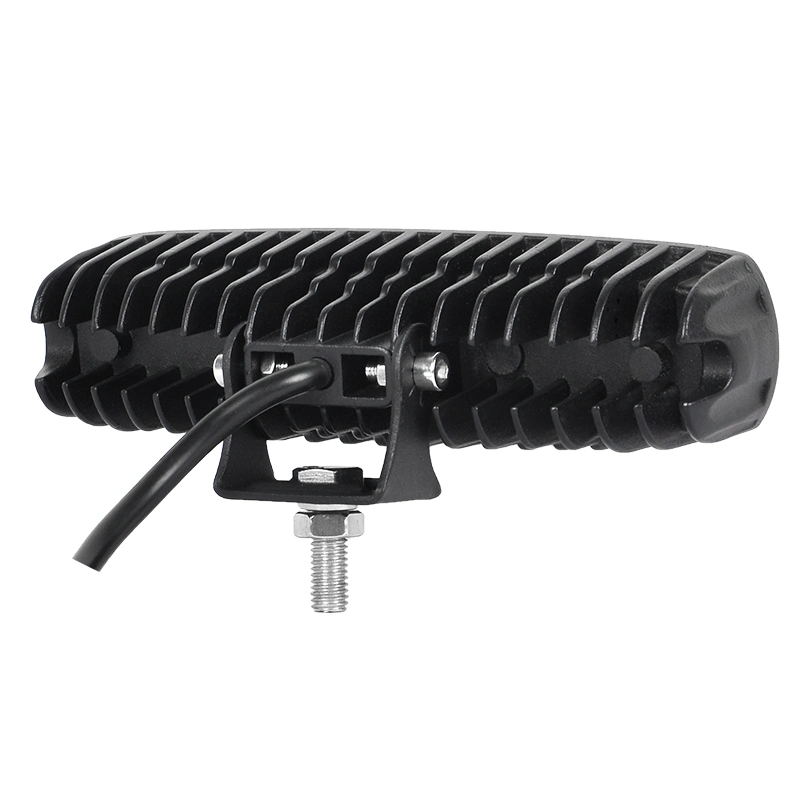
Intense light generates intense heat. Poor heat management destroys diodes rapidly. You must inspect the thermal architecture of any high-output fixture. Aluminum heat sinks pull thermal energy away from sensitive electronics. Plastic housings trap heat internally. This trapped heat accelerates premature LED degradation. Massive finned heat sinks increase surface area for faster cooling. You want heavy, thermally conductive materials protecting your investment. Proper dissipation ensures the fixture hits its rated operational lifespan.
Top Rated Residential Security and Smart Flood Lights
Best for Smart Integration
Smart homes require seamless integration. You should evaluate units offering highly reliable Dusk-to-Dawn sensors. These sensors prevent daytime operation automatically. Furthermore, customizable motion zones remain critical. They let you exclude busy streets from the trigger area. Top-tier units integrate natively into standard ecosystems like HomeKit or Alexa. They accomplish this without introducing high latency. A strong Wi-Fi antenna ensures immediate alert notifications. You want a smart system reacting instantly to physical movement.
Best for Broad Area Coverage
Driveways and expansive backyards need serious illumination. You should seek high-lumen, multi-head hardwired fixtures for these spaces. Multi-head designs allow independent aiming. You can point one head toward the gate. You can aim the other toward the garage door. This eliminates dangerous blind spots entirely. A solid LED flood light engineered for broad coverage provides immense peace of mind. High-quality reflectors maximize the spread without sacrificing central brightness.
Implementation Risks
Users frequently encounter frustrating pain points after installation. You must anticipate these implementation risks beforehand. Environmental factors degrade performance quickly if ignored.
Connectivity Drops: Wi-Fi signals struggle to penetrate thick exterior brick walls. This leads to offline devices.
Seal Degradation: Sun exposure dries out cheap rubber weather seals. Moisture eventually invades the housing.
Lens Yellowing: Polycarbonate lenses turn yellow under UV light. This drastically reduces lumen output over time.
Best Heavy Duty Work Light and Commercial Fixtures
Site & Construction Lighting
Active construction sites present brutal environments. Selecting a heavy duty LED flood work light requires careful attention to physical toughness. Impact resistance matters most here. You must verify IK ratings. An IK08 or IK10 rating guarantees survival against dropped tools and flying debris. Portability also plays a huge role. Workers move lights constantly across uneven terrain. Furthermore, grounded power supplies prevent dangerous electrical shorts in wet mud. Structural integrity keeps operations running smoothly.
Warehouse & Perimeter Security
Industrial facilities prioritize continuous operational lifespan. They want to mount a fixture once and forget it exists. Commercial-grade wall packs serve this purpose perfectly. They offer massive coverage for perimeter fencing. A true Heavy Duty Work Light installed at 30 feet requires zero maintenance. You should prioritize robust drivers over gimmicky smart features. Smart modules fail far sooner than standard commercial drivers. Industrial buyers value raw reliability above all else.
Thermal Management
Extreme climates test commercial fixtures severely. Commercial buyers must verify the exact operating temperature range. Freezing winter winds stress driver components. Blistering summer sun bakes the exterior housing. If a fixture lacks proper thermal thresholds, it will fail. High ambient temperatures compound the internal heat generated by the diodes. Advanced thermal management utilizes die-cast aluminum enclosures. These enclosures regulate internal temperatures actively. This ensures consistent performance regardless of the season.
Specialized Vehicle and Forklift Flood Beam LED Lamp Options
Voltage & Compatibility
Industrial vehicles create chaotic electrical environments. A forklift battery does not deliver clean power. It experiences massive electrical fluctuations during operation. You need wide-voltage drivers to handle these spikes. Drivers rated for 12V-80V absorb these surges effortlessly. Standard residential fixtures blow out immediately under these conditions. You must match the fixture voltage capabilities to your vehicle battery systems. This compatibility prevents sudden blackouts during critical warehouse operations.
Vibration & Shock Resistance
Machinery operates under constant vibration. A standard outdoor light physically shatters on a forklift cage. The internal solder joints break under mechanical stress. You require specific structural requirements for mobile applications. A durable waterproof forklift LED flood light utilizes specialized mounting brackets. These brackets isolate the housing from vehicle vibrations. Epoxy-sealed internal boards prevent components from rattling loose. The housing itself must withstand impacts from warehouse racking. A rugged forklift flood beam LED lamp endures thousands of hours of mechanical abuse.
Precision Optics for Safety
Warehouse safety relies on precision optics. You cannot blind warehouse pedestrians while illuminating work zones. Evaluating the 20W waterproof LED flood light category requires focusing on beam patterns. Spot patterns push light far ahead of the vehicle. Flood patterns wash the immediate peripheral area. The best optical setups combine both. They illuminate the rack directly ahead while lighting the floor nearby. Deep reflector cups prevent light from spilling upward into a pedestrian's eyes. Proper optical control prevents workplace accidents.
Installation Realities and Long-Term Ownership Risks
Electrical Compliance
Safety certifications matter immensely during installation. You must verify UL or ETL certifications before proceeding. These marks prove the fixture passed rigorous electrical testing. Hardwired 120V or 277V installations carry significant risk. You should always hire licensed professionals for these tasks. Incorrect wiring leads to catastrophic shorts. Poorly grounded fixtures create severe shock hazards on wet building exteriors. Licensed electricians ensure local code compliance. They guarantee the electrical architecture supports the continuous draw safely.
Mounting Hardware Failures
Excellent lights fail due to weak mounting hardware. You must examine the structural integrity of the mounts closely.
Knuckle Mounts: These allow precise angling but strip easily if over-tightened. They often snap under heavy ice loads.
Trunnion Mounts: U-shaped brackets provide superior stability. They bolt directly to flat surfaces securely.
Slip-Fitter Mounts: Used for pole mounting, they slide over standard tenons. They require exact torque specs to survive high wind loads.
Common Mistake: Installers frequently ignore torque specifications on slip-fitters. Industrial vibration and high winds eventually loosen the bolts. The fixture tilts downward, ruining the light spread entirely.
Warranty Traps
Manufacturer warranties often contain hidden loopholes. You need to read the fine print carefully. Warranties sound great until you actually file a claim. Many manufacturers cover the diodes but exclude the internal driver. The driver usually fails long before the diodes degrade. Furthermore, you must understand the RMA process. Some companies force you to pay return shipping on heavy fixtures. Others require complex proof of professional installation. Look for comprehensive warranties covering both the driver and the housing equally.
Conclusion
Selecting the right fixture requires a logical approach. You must define the primary environment first. Decide whether the application is residential, commercial, or vehicular. Once defined, you filter the options by lumen output and power source. Do not overpay for unnecessary smart features if raw hardware durability matters most to your project. Complex electronics often introduce points of failure in harsh environments. Measure your exact mounting height and coverage area. Calculate the necessary lumens carefully before finalizing any purchase. Proper planning guarantees excellent illumination and years of reliable performance.
FAQ
Q: What is the difference between an IP65 and IP67 LED flood light?
A: An IP65 rating protects against low-pressure water jets from any direction. It works well for general rain exposure. An IP67 rating allows temporary submersion in water up to one meter. IP67 provides superior protection in areas prone to severe flooding or heavy snow buildup.
Q: Can I use a standard Heavy Duty Work Light on industrial machinery?
A: No. Standard work lights lack the internal shock absorption required for machinery. Industrial vehicles generate severe mechanical vibration. You need purpose-built fixtures with epoxy-sealed electronics and wide-voltage drivers to survive machine mounting.
Q: How many lumens do I actually need for a 2-car driveway vs. a commercial loading dock?
A: A standard 2-car driveway requires between 2,000 and 4,000 lumens for clear visibility. A commercial loading dock needs much brighter illumination for safety. You should aim for 15,000 to 20,000 lumens to penetrate deep into trailers and illuminate the surrounding pavement.
Q: Why does my smart flood light constantly trigger false motion alerts?
A: False alerts usually stem from improper sensitivity settings or poor positioning. Wind-blown tree branches and passing cars easily trigger standard passive infrared (PIR) sensors. You can fix this by adjusting the physical angle and narrowing the digital motion zones in the app.
Q: Is a 20W waterproof LED flood light bright enough for forklift operations?
A: Yes, a 20W fixture provides excellent illumination for forklifts if it features precision optics. It outputs enough focused light to illuminate racks and aisles clearly. It achieves this without causing blinding glare for pedestrians walking nearby.
Shenzhen Creek Optoelectronic Technologies Co., Ltd. produce Car LED work lights, off-road LED light bar, forklift safety lights, agricultural tractor work lights, LED strobe and beacon lights, car radios, etc.