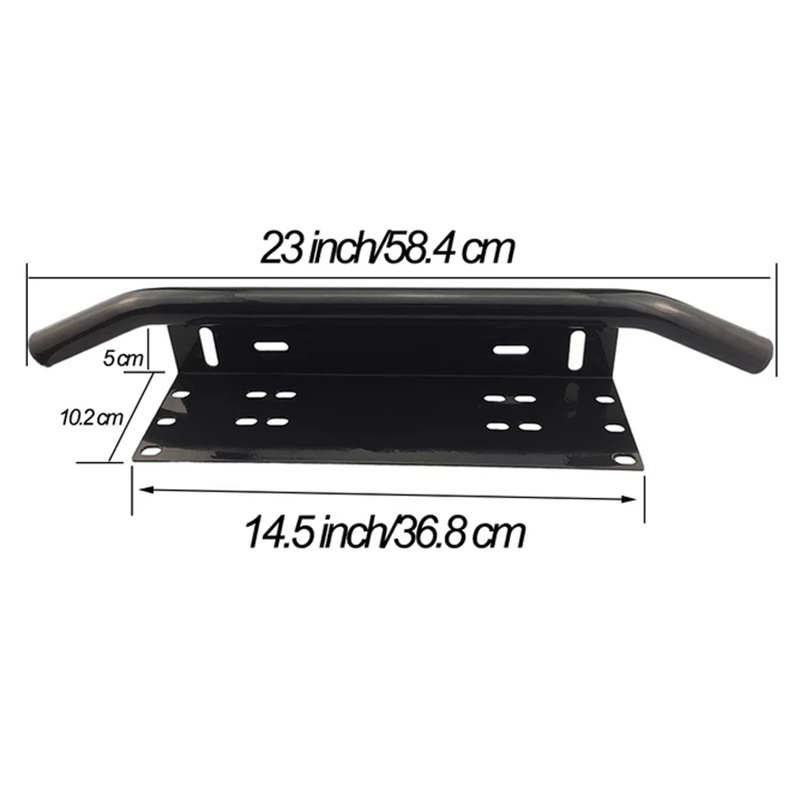
Many drivers face a frustrating dilemma when buying a new car. You must comply strictly with state front license plate laws. However, you naturally want to avoid irreparably damaging your vehicle's carefully designed aesthetics. You also want to protect the underlying hardware. Mounting a plate is never just a simple mechanical task. It represents a critical decision point. Selecting the correct hardware prevents permanent bumper damage, rust bleed, or unexpected sensor interference. A rushed job often leads to crooked plates or damaged plastic fascias. The proper installation method depends entirely on your specific vehicle type. An electric vehicle requires different safety considerations than a traditional internal combustion engine car. Your bumper geometry and bracket structural integrity heavily dictate your approach. In this comprehensive guide, you will learn how to properly evaluate your bumper setup. We cover all essential tools and required safety precautions. You will discover exactly how to execute a flawless installation without compromising your vehicle's performance or visual appeal.
Key Takeaways
Method selection is critical: Choose between traditional drill-in, tow hook mounts, or grille-clamp systems based on lease status and bumper design.
Sensor clearance is non-negotiable: Modern vehicles (especially EVs) require precise placement to avoid blocking radar, parking sensors, or autopilot cameras.
Material matters: Upgrading to a durable license plate bracket for front bumper applications prevents rust bleed and hardware failure under driving vibrations.
Measure twice, drill once: Traditional installation requires strict adherence to centerline alignment and depth control to avoid puncturing internal bumper components.
Assessing Your Bumper and Choosing an Installation Approach
Car owners often experience a direct conflict between legal compliance and automotive aesthetics. Most states enforce strict laws requiring a visible front tag. This creates a difficult choice for automotive enthusiasts. You must thoroughly evaluate state requirements against your vehicle's unique front-end design. Some sports cars feature aggressive aerodynamic grilles. Other vehicles utilize smooth, minimalist fascias. Your chosen installation method must respect the original design language.
Traditional drill-in mounts remain the most popular choice for permanent ownership. Many modern cars feature factory-dimpled bumpers to guide your drill bits. Using these factory guides ensures accurate placement. However, this method requires a dedicated front bumper license plate holder bracket. You need one specifically designed for your specific bumper curve. A flat bracket will never sit flush against a heavily curved fascia. This mismatch causes unsightly gaps and unwanted vibration.
No-drill alternatives offer excellent solutions for specific scenarios. Tow hook mounts and grille-clamp systems provide secure attachment without permanent modification. These options are ideal for leased vehicles. You avoid costly lease return penalties for bumper damage. Classic car owners and exotic vehicle drivers also prefer these temporary setups. You can easily remove the assembly for car shows or track days.
Evaluating fitment requires careful attention to detail. You must determine if a universal license plate mount bracket holder for car models will actually work for your application. Universal options often fit flat or mildly curved surfaces. Highly contoured bumpers usually demand a vehicle-specific OEM adapter. Always test-fit the component against your bumper before making any permanent modifications. Look for gaps around the edges. Check the clearance between the frame and your painted surfaces.
Essential Tools and Pre-Installation Preparation
Proper preparation ensures a seamless installation process. Rushing into the job often leads to scratched paint or crooked alignments. Start by taking a complete hardware inventory. Unpack your new kit and verify all bracket components. You should clearly identify the mounting plate, any provided spacers, anti-theft screws, and washers. Missing components will halt your progress midway through the job.
Gathering the right equipment is equally crucial. Creating a comprehensive tool checklist prevents unnecessary frustration. Gather the following items before starting:
High-visibility masking tape
A reliable measuring tape or digital calipers
A sharp center punch tool
A power drill equipped with a dedicated depth-stop bit
Appropriately sized Phillips and Torx screwdrivers
A clean microfiber cloth
Surface preparation significantly impacts long-term stability. Clean the targeted mounting area thoroughly. Use a high-quality isopropyl alcohol solution. This removes road grime, wax, and ceramic coatings. Many premium brackets utilize adhesive pads for vibration dampening. These pads require a pristine surface to make proper contact. Poor adhesion leads to rattling at highway speeds.
You must adhere to strict safety warnings before drilling. Always review detailed vehicle schematics for your specific make and model. Identify the precise locations of internal wiring harnesses. Look for hidden coolant lines or active radiator shutters. Modern vehicles often house pedestrian safety sensors directly behind the outer plastic cover. Puncturing these delicate components causes catastrophic damage and expensive repair bills.
Standard Installation Procedure: Drilling with Precision
Executing a drill-in installation requires patience and steady hands. Follow these precise steps to achieve a professional result. Avoiding shortcuts guarantees a secure and visually appealing mount.
Step 1: Center Alignment. Use high-visibility masking tape to mark the exact horizontal and vertical center of your bumper. Do not rely solely on visual alignment. Find structural landmarks like the hood latch or lower grille badge. Measure outward from these fixed points.
Step 2: Marking and Punching. Hold the assembled bracket firmly in place. Ensure it sits perfectly level using a small spirit level. Mark the required pilot holes directly onto the masking tape. Use a sharp center punch on these marks. This critical step prevents your drill bit from walking across the slippery plastic.
Step 3: Depth-Controlled Drilling. Wrap a bright piece of tape around your drill bit. Place it exactly 1/2 inch from the cutting tip. This acts as a highly visible depth stop. Drill your pilot holes perfectly straight. Avoid angled entries. Crooked holes cause severe bracket warping during final assembly.
Step 4: Securing the Bracket. Drive the provided self-tapping screws or rivet nuts entirely by hand. Avoid using high-torque power drills for this final tightening phase. Power tools easily strip the soft plastic bumper fascia. Hand tightening provides necessary tactile feedback.
Step 5: Plate Attachment. Secure your state-issued license plate to the newly installed mount. Use the provided stainless machine screws. Ensure all four corners are tightly fastened to prevent high-speed rattling.
Advanced Considerations: EVs, Off-Road Vehicles, and Sensors
Advanced vehicle architectures demand specialized mounting strategies. Electric vehicles feature unique front-end designs compared to traditional cars. Mounting plates on vehicles like the Blazer EV or Tesla Model 3 requires extreme caution. You must avoid occluding sensitive radar arrays. Ultrasonic parking sensors and active cooling louvers often populate the lower fascia. Blocking these areas disrupts Advanced Driver Assistance Systems (ADAS). Autopilot cameras require an unobstructed field of view to function safely.
Off-road driving presents entirely different challenges. Considerations for Jeep Wrangler or Toyota Land Cruiser owners extend beyond simple aesthetics. You must carefully address front winch clearance. Approach angles dictate where you can safely mount hardware. A flimsy plastic holder will snap off during trail runs. Therefore, a heavy-duty aluminum front bumper license plate bracket is strictly required. This rugged material survives heavy brush impacts and relentless corrugated road vibration.
Aerodynamic drag also warrants serious consideration. Offset mounts often impact frontal airflow. Tow-hook installations sit asymmetrically on the bumper. This placement sometimes alters wind dynamics at highway speeds. Assess whether aerodynamic spacers are needed. Proper spacing prevents the thin metal tag from bending backward against the bumper cover. It also minimizes wind noise entering the cabin.
Evaluating Material Quality for Long-Term Reliability
Material selection defines the lifespan of your installation. Many drivers unknowingly settle for subpar dealership freebies. These standard-issue plastic brackets suffer from severe flaws. They warp quickly under intense summer heat. UV exposure turns the black plastic brittle and gray. Furthermore, they frequently fail during aggressive automated car washes. The spinning brushes easily snap cheap plastic mounting tabs.
Upgrading your hardware provides immediate benefits. The distinct advantages of an aluminum alloy license plate mounting bracket are undeniable. You gain superior corrosion resistance. The lightweight structural rigidity outshines standard options. Conversely, traditional stamped steel remains highly prone to rust over time. A rusted steel frame bleeds orange stains down your pristine bumper paint.
Vibration mitigation acts as a primary defense against paint damage. Look closely for kits including rubber isolation pads. Premium options feature thick neoprene backings. These dampening materials absorb road shock. They prevent annoying rattling sounds and eliminate paint abrasion. A sturdy License Plate Bracket always includes some form of protective backing.
Hardware integrity is the final piece of the quality puzzle. Ensure your chosen kit utilizes marine-grade stainless steel. Zinc-plated fasteners also work exceptionally well. Using cheap metal screws creates galvanic corrosion when mixed with aluminum components. This chemical reaction seizes the threads entirely. It makes future plate removal virtually impossible.
Material Type
Durability
Corrosion Resistance
Best Use Case
Dealership Plastic
Low (Prone to cracking)
High (Does not rust)
Temporary use, budget setups
Stamped Steel
Medium (Can bend)
Low (Highly prone to rust bleed)
Dry climates, classic restorations
Aluminum Alloy
High (Rigid and lightweight)
Excellent (Will not rust)
Long-term daily driving, off-road
Next Steps: Finalizing Your Bracket Setup
Completing the installation requires a thorough post-job inspection. Your post-installation checklist ensures long-term safety. Grab the edges of the installed plate. Apply firm manual pressure. Verify the frame does not flex or tap against the painted surface. Sit directly in the driver’s seat. Activate your vehicle's parking cameras. Check for any obscured sensors or dark corners on your display screen.
Routine maintenance keeps the assembly secure. Inspect all mounting screws after driving the first 500 miles. Road vibration frequently causes minor loosening during this initial break-in period. Tighten any loose fasteners gently. Apply a small drop of blue threadlocker if screws persistently back out.
Shortlisting the right product streamlines this entire process. We strongly recommend selecting a durable license plate bracket for front bumper applications based on three factors. First, prioritize high-grade aluminum materials. Second, analyze your specific vehicle's sensor layout. Third, assess your personal willingness to permanently modify the bumper. Balancing these three elements guarantees a successful setup.
Conclusion
Installing your front hardware correctly represents a crucial one-time task. Executing it perfectly prevents long-term aesthetic degradation and costly structural issues. A sloppy approach guarantees scratched paint and malfunctioning vehicle sensors. You must approach this job with careful planning and the right tools.
The success of this installation relies heavily on two main pillars. Fifty percent of your success comes from careful measurement and strict alignment. The remaining fifty percent stems directly from investing in high-quality, corrosion-resistant hardware. Discard cheap dealership plastic. Upgrade to robust metal frames. Protect your vehicle's value by doing the job right the first time.
FAQ
Q: Do I have to drill holes in my front bumper to install a license plate?
A: No, drilling is not strictly mandatory. You can utilize no-drill alternatives based on your vehicle's design. Tow hook mounts screw directly into the factory recovery port. Grille-clamp systems attach securely to your lower air intake slats. These options provide excellent stability without permanently puncturing your front bumper.
Q: Will a front license plate bracket block my parking sensors?
A: It can block sensors if installed improperly. Modern vehicles house sensitive ultrasonic pucks and radar units in the front fascia. You must measure carefully to avoid these zones. Offset solutions, like tow hook adapters, often bypass sensor arrays entirely. Always test placement before securing the hardware.
Q: How do I prevent my front license plate bracket from scratching my paint?
A: You prevent scratches by utilizing high-quality dampening materials. Choose rigid aluminum frames that do not flex backward at highway speeds. Ensure your kit includes thick rubber isolation pads or a neoprene backing. This foam barrier absorbs relentless road vibration and keeps the metal edges away from your clearcoat.
Q: What size drill bit should I use for a front bumper license plate bracket?
A: You should match the drill bit to the core diameter of your specific self-tapping screw. Do not match it to the wider outer threads. Most standard hardware kits require either a 1/8-inch or 5/32-inch drill bit. Always start with a smaller bit to prevent creating an oversized hole.
Shenzhen Creek Optoelectronic Technologies Co., Ltd. produce Car LED work lights, off-road LED light bar, forklift safety lights, agricultural tractor work lights, LED strobe and beacon lights, car radios, etc.